
A new tenant, new equipment, a full panel
The service size, the panel's free spaces and the load already on it decide whether a new circuit is enough or the service has to grow. See commercial electrician service.
Kearny electrician
In the state's permit data, Kearny recorded 316 permits with an electrical fee from October 2025 to July 2026, the latest month of Kearny records in that data, and 261 of them were in the building code's residential use groups. The median Kearny home was built in 1951, against 1966 for Hudson County. MDL works from 4 Harrison Ave in West Orange, about 6.3 miles in a straight line from the point the Census Bureau's Gazetteer gives for Kearny, with a New Jersey electrical contractor license and a master HVACR license on the same team.

Kearny, from the permit data and the Census
The state's construction permit data lists 316 permits with an electrical fee in Kearny issued from October 2, 2025 to July 31, 2026; July 31 was the latest Kearny record in the data when it was read on November 27, 2026. Of the 12 Hudson County municipalities in that data, 9 had such permits for October 2025 to September 2026, and Kearny had the fifth most, after Hoboken (641, records to August 4), Bayonne (636), Secaucus (475) and West New York (375). Jersey City, North Bergen and East Newark had none for the period: their latest records in the data are dated September 11, 2024, October 31, 2022 and April 29, 2025. 261 of Kearny's permits, 82.6%, were in the residential use groups (120 in R-3, 104 in R-5 and 37 in R-2); New Jersey's building code defines R-5 as detached one- and two-family houses and single-family townhouses of up to three stories, each with a separate exit, plus small residences such as group homes and rooming houses of five or fewer residents. 21 were for buildings in the business use group.
The Census Bureau counts 15,367 homes in Kearny, with a median build year of 1951 against 1966 for Hudson County. 5,873 of them, 38.2%, date from 1939 or earlier, against 29.7% county-wide, and 9,476, 61.7%, were built before 1960, against 44.4%. 4,070 homes, 26.5%, are in two-unit buildings, against 19.4% county-wide, and 4,618, 30.1%, are detached houses. 8,418 of the 14,751 occupied homes, 57.1%, are rented. 11,508, 78.0%, heat with utility gas and 2,068, 14.0%, with electricity.
Sources: New Jersey Department of Community Affairs construction permit data, permits that carried an electrical fee, issued October 1, 2025 to September 30, 2026, counted by town and by use group, read November 27, 2026; towns report to the state on their own schedule, so each count is what that town reported: Kearny's latest record in the data is dated July 31, 2026, and the latest dates for the other Hudson County towns were read from the same data on November 27, 2026. The R-5 group: New Jersey's section 310.6 in its building subcode, N.J.A.C. 5:23-3.14 (Cornell Law School's copy). U.S. Census Bureau, American Community Survey 5-year estimates 2020–2024, tables B25001 (homes), B25034 (year built), B25035 (median year built), B25024 (units in structure), B25040 (house heating fuel) and B25003 (owner and renter homes), read through Census Reporter on November 27, 2026; survey estimates carry margins of error, for example plus or minus 463 on Kearny's 15,367 homes. The distance is a straight line from 4 Harrison Ave, as the Census geocoder places it, to Kearny's point in the Census Bureau's 2024 Gazetteer.
Older houses and two-family homes
More than one in three Kearny homes date from 1939 or earlier, and more than three in five were built before 1960. Before anything is added, the size of the service, the free spaces in the panel and the load already on it decide whether a new circuit is enough or the service has to grow. See panel and service upgrades and the home electrical inspection.
In a two-family house the first step is mapping which panel and which meter feed which unit, and where the shared loads (the basement, the hall and stair lights, the heating system) are fed from. A larger service, a charger or a new appliance in one unit is planned against that unit's own panel and the building's service. Where the walls still hold wiring from before the 1940s, see knob and tube wiring replacement and whole-house rewiring.
Selling a Kearny house
Kearny's Construction Code Enforcement Department, at the Town Hall Annex, 410 Kearny Avenue (201-955-7880), inspects a house before a sale. Its Residential Certificate of Occupancy package says the Certificate of Continued Use Occupancy follows a general inspection of the visible parts of the structure and shows that no violations and no unsafe conditions were found. The town recommends booking that inspection as soon as the sales contract is signed.
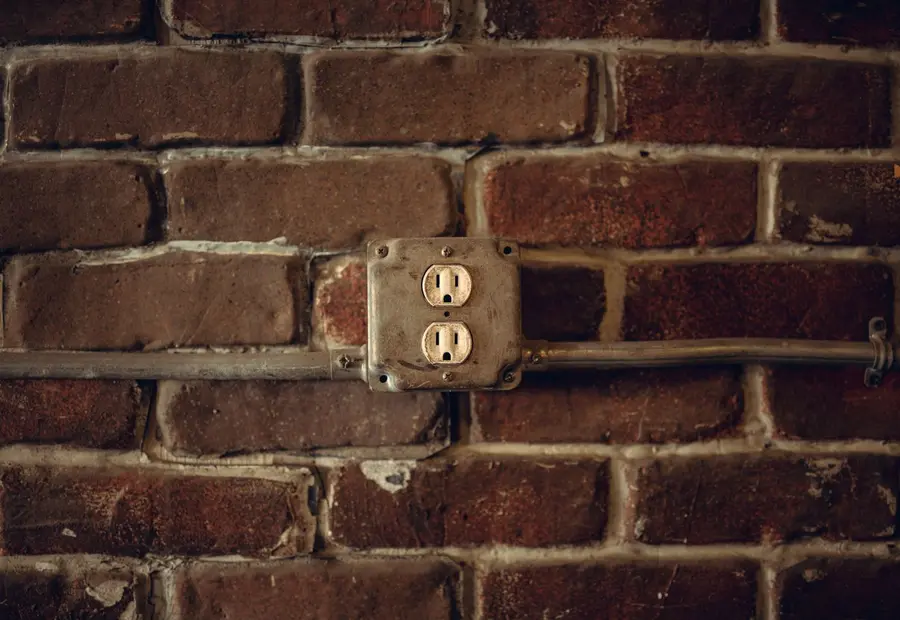
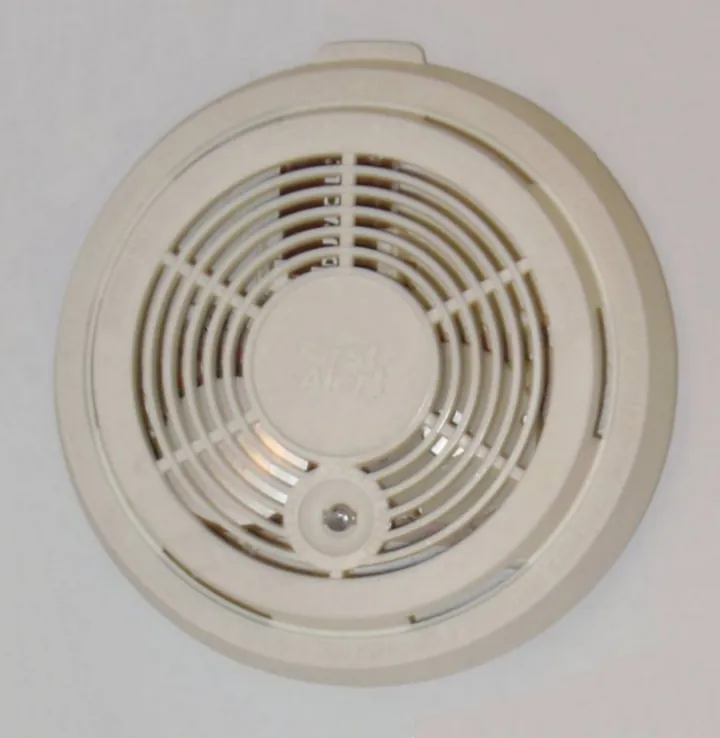
The package's checklist includes proper electrical device covers on all electrical switches, outlets and junction boxes. For smoke alarms in a resale it asks for ten-year sealed battery-powered alarms on each level, outside each separate sleeping area in the immediate vicinity of the bedrooms (within 10 feet of the sleeping area), on or near the ceiling; for carbon monoxide, detectors outside each sleeping area in the immediate vicinity of all sleeping rooms (within 10 feet of all sleeping areas), battery, hard-wired or plug-in. The town's one- and two-family smoke and carbon monoxide certification form adds that homes built after January 1977 with AC-powered or interconnected detectors must keep them in working order. The checklist is the town's guide to the violations it finds most often, not a complete list.
MDL replaces failed and expired hardwired alarms and the circuit behind them, and fits missing or broken covers on switches, outlets and junction boxes before the town's visit: smoke and CO alarm installation.
Business buildings
The state's data lists 21 Kearny permits with an electrical fee on buildings in the business use group from October 2025 to July 2026. Before equipment, a charger or a generator is added to a business building, the work starts at the service and the panel.
The service size, the panel's free spaces and the load already on it decide whether a new circuit is enough or the service has to grow. See commercial electrician service.
Lot lights that are out or cycling can come from a lamp, a driver, a photocell or a buried circuit; see parking lot lighting repair.
A charger on a business lot needs a circuit sized against the building's service and a route to the spaces; see commercial EV charger installation.
A standby generator for a business is sized from the loads that must keep running; see commercial generator installation.
Kearny permits
Kearny's Construction Code Enforcement Department works from the Town Hall Annex, 410 Kearny Avenue (201-955-7880). The town's forms page lists a Construction Permit Application and a Construction Permit Inspection Request among its construction department forms, with the Residential Certificate of Occupancy package and the smoke and carbon monoxide certification form.
A service upgrade also involves the utility: PSE&G's service territory page lists Kearny in both its electric and its gas service areas, so the disconnect and reconnect are scheduled with PSE&G. You can check a contractor's license before you sign: how to look up a New Jersey electrician's license and business permit.
Kearny electrical help
For an urgent electrical problem, call after any 911 or PSE&G emergency is handled. For planned work, send the address, the building type, which unit the work is in, what you want to add (equipment, a charger, a standby generator, lighting), and a photo of the closed panel. If you are selling, say when the closing is, so the alarm and cover work is done before the town's inspection.
Kearny FAQ
The resale inspection, its smoke, carbon monoxide and cover items, business work and the utility, answered from the town's own documents.
Yes. MDL Electric Cooling & Heating works from 4 Harrison Ave in West Orange, about 6.3 miles in a straight line from the point the Census Bureau's 2024 Gazetteer gives for Kearny, and takes residential and commercial electrical work across the town. Call 973.809.2339 or send the form with the street address, whether it is a one-family house, a two-family house or a business, and what you want to add or fix.
The Town of Kearny's Construction Code Enforcement Department, at the Town Hall Annex, 410 Kearny Avenue (201-955-7880). Its Residential Certificate of Occupancy package says the Certificate of Continued Use Occupancy follows a general inspection of the visible parts of the structure, and its one- and two-family smoke and carbon monoxide certification form says that inspection is conducted by the same department.
The town's Certificate of Continued Occupancy check list asks for proper electrical device covers on all electrical switches, outlets and junction boxes, and the same package names smoke and carbon monoxide detectors and a fire extinguisher as an essential part of the inspection for a resale. The town says the list is not all-inclusive: it is a guide to the violations most often found during Certificate of Occupancy inspections.
For repairs, alterations, renovations or resales, the town's package asks for ten-year sealed battery-powered alarms on each level of the structure, outside each separate sleeping area in the immediate vicinity of the bedrooms (within 10 feet of the sleeping area), on or near the ceiling. Its certification form adds that homes built after January 1977 with AC-powered or interconnected detectors must keep them in working order.
Kearny's package asks in all cases for carbon monoxide detectors outside each sleeping area in the immediate vicinity of all sleeping rooms (within 10 feet of all sleeping areas); they may be battery operated, hard-wired or plug-in. For a resale it also asks for a 2A:10B:C portable fire extinguisher, rated for residential use and no larger than 10 pounds, mounted within 10 feet of each kitchen area in the path of egress.
The town's Residential Certificate of Occupancy package recommends that the Certificate of Occupancy inspection be conducted as soon as the sales contract is signed. If a hardwired alarm has to be replaced or a cover is missing, book the electrical work before that visit.
Yes. MDL's commercial electrician service covers service and panel work, lighting, car chargers and standby generators for businesses and managed buildings. In the state's permit data, Kearny recorded 21 permits with an electrical fee on buildings in the business use group from October 2025 to July 2026.
PSE&G. Its service territory page lists Kearny under Hudson County in both its electric and its gas service areas, so a service upgrade or a meter move is scheduled with PSE&G for the disconnect and the reconnect.
Next steps
Services sized for new loads and the PSE&G disconnect and reconnect.
Learn moreHardwired, interconnected alarms and replacements before a sale.
Learn moreReplacing pre-1940s wiring in older houses.
Learn moreService, panels, lighting and chargers for business buildings and managed properties.
Learn moreIn Essex County: two-family houses and panels.
Learn moreIn Hudson County: electrical work for homes and buildings.
Learn moreRequest service
Use the form for planned service or call for urgent electrical, heating, or cooling help.