What is a home electrical safety inspection?
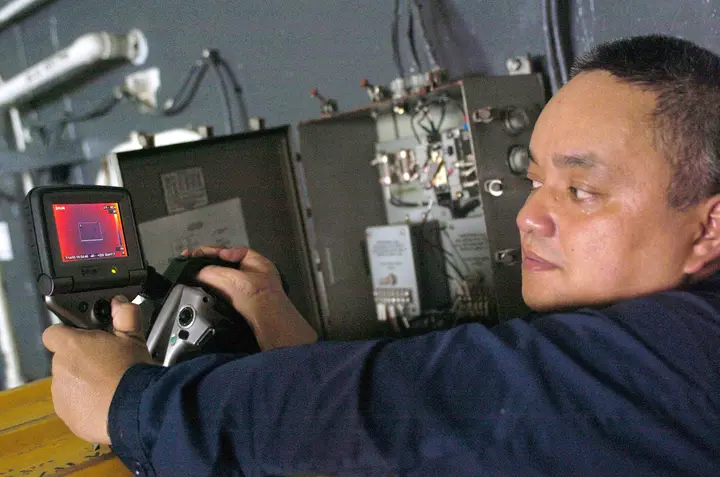
It is a walk-through of a house's electrical system by an electrician: the service and panel, breakers or fuses, the wiring that can be seen, outlets and switches, GFCI and AFCI protection, and smoke and carbon monoxide alarms. MDL calls it an electrical safety evaluation, because it is not the town's code inspection and it is not a home inspector's report.
What does an electrical safety inspection check?
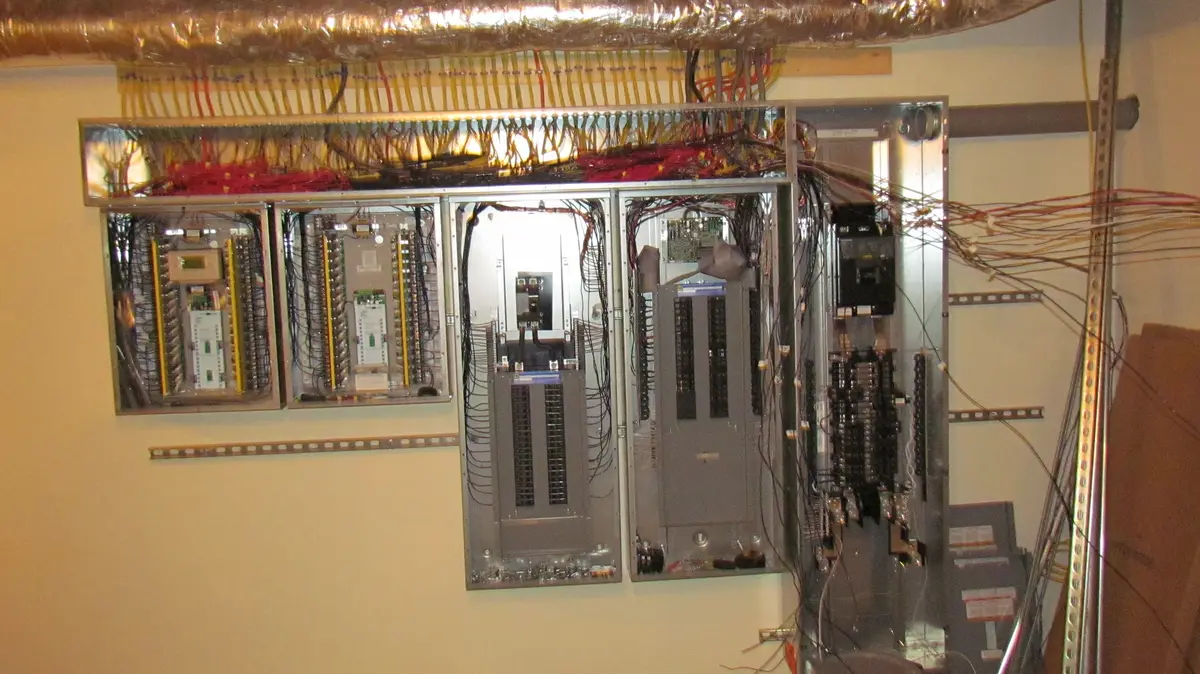
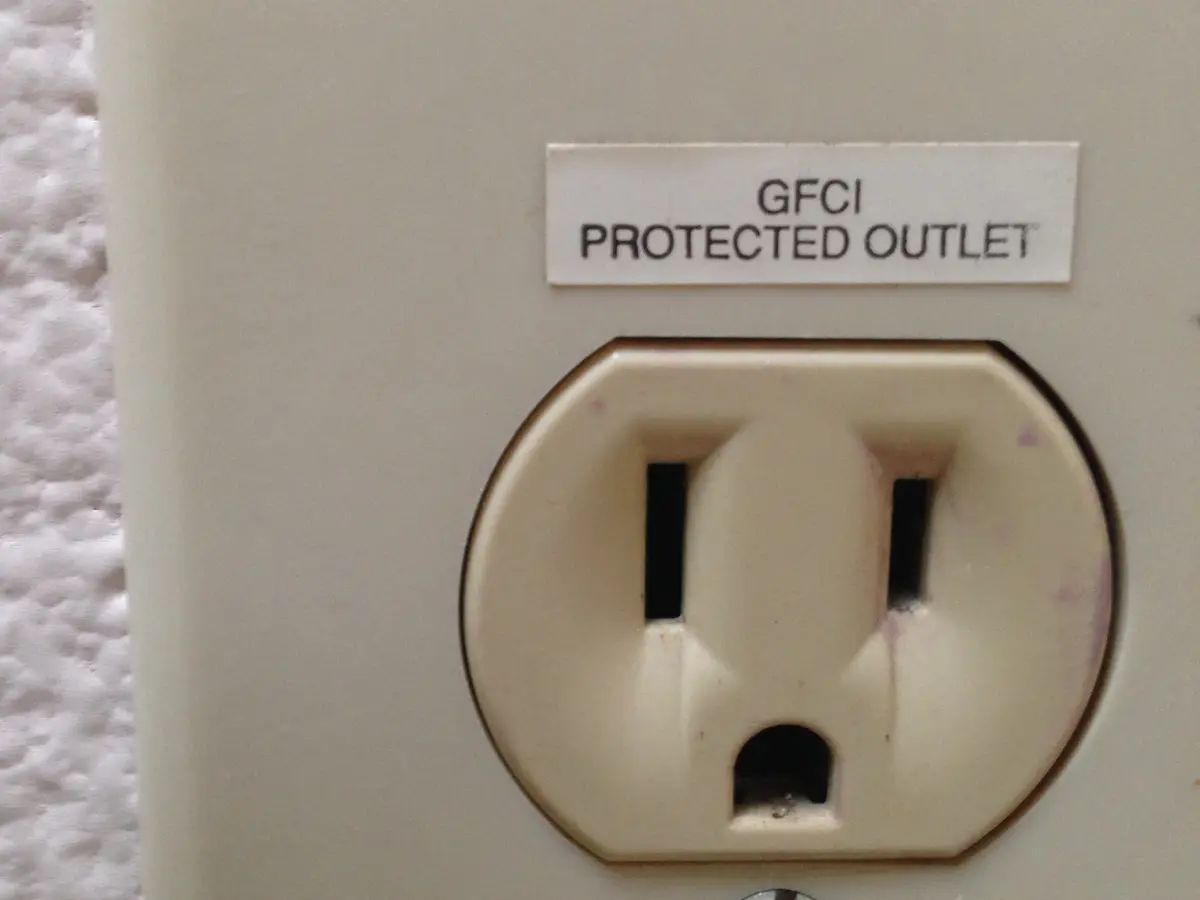
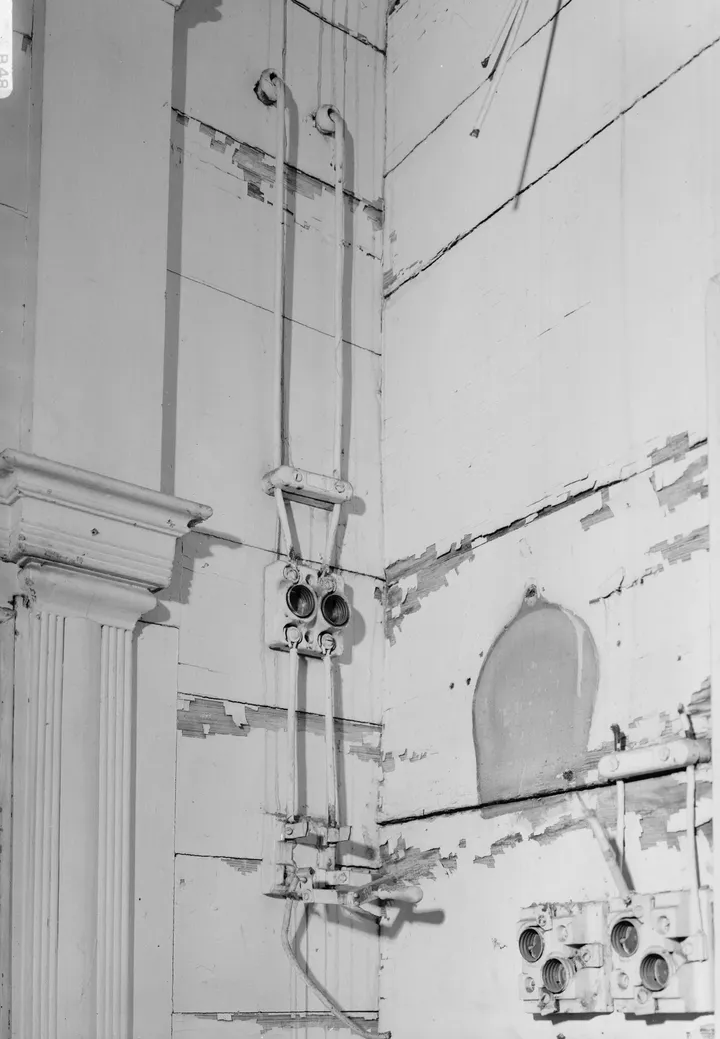
The panel and its labels, fuse or breaker sizes, signs of heat or corrosion, the type of wiring (knob and tube, cloth-covered, aluminum or modern cable), outlets and switches that run warm or hold plugs loosely, GFCI protection in kitchens, baths, garages, unfinished basements, laundry areas and outdoors, AFCI breakers where they are installed, and smoke and CO alarms.
Is an electrician's safety inspection the same as the town's electrical inspection?
No. In New Jersey the town's electrical subcode official inspects work done under a permit, during the work and at the end, to make sure that work meets the code (N.J.A.C. 5:23-2.18). A safety evaluation by an electrician looks at the whole house as it stands today and does not approve or fail anything.
Is it the same as a home inspection when buying a house?
No. A buyer's home inspector looks at the whole house, with electrical as one part. New Jersey's seller disclosure form cautions buyers to carefully inspect the property and says the form is not a substitute for hiring qualified experts to inspect it. An electrician's visit is the follow-up when a report, or the seller's answers, raise an electrical question.
Do I need an electrical inspection to sell a house in New Jersey?
The state's seller's property condition disclosure asks the seller what type of wiring the house has, its amp service, whether it has 240 volt service, breakers or fuses, whether additions to the service were done by a licensed electrician with permits, and whether any switches, fixtures or outlets need repair. An electrician can help a seller answer them accurately. The smoke and carbon monoxide alarm certificate is a separate step, covered on MDL's smoke detector page, and town resale rules vary, so ask your town.
How much does an electrical inspection cost?
This page does not list a price for MDL's visit; ask for it when you call, before you book. What changes the time an electrician spends is the size of the house, the number of panels, whether the attic and basement can be reached, and whether you need the findings written down for a sale or an insurer.
How long does an electrical inspection take?
There is no set time. It depends on the size of the house, how many panels it has and how easy the attic, basement and panel are to reach. Ask when you book.
How often should home wiring be checked?
CPSC staff recommend running its Home Electrical Safety Checklist every six months, and each time you move into a home. Good times to have an electrician look are before buying or selling, when an insurer or home inspector names the wiring or panel, before adding a large load such as an EV charger or heat pump, and whenever a warning sign shows up.
What are the warning signs of a wiring problem?
CPSC lists outlets or switches that are unusually warm (some dimmers run warm normally), plugs that fit loosely, any shock from an appliance other than static, fuses of the wrong size, and extension cords used as permanent wiring. CPSC Publication 516 adds face plates that are hot to the touch, flickering lights, circuits that stop working and a smell of burning plastic.
What fails an electrical inspection?
A town inspection fails work done under a permit that does not meet the code, and the permit holder is told what to correct. A safety evaluation does not pass or fail a house. It tells you what is there, what is a hazard now, and what can wait.
Do repairs found during the visit need a permit in New Jersey?
It depends on the repair. Adding to, altering, replacing or relocating wiring needs a permit (N.J.A.C. 5:23-2.7, 2.14), and the town's final inspection covers wiring, devices and fixtures (N.J.A.C. 5:23-2.18). Replacing an outlet, switch or light fixture with a like or similar one, or a smoke alarm with a like device, is ordinary maintenance and needs no permit (5:23-2.7(c)). Ask the electrician which items on the list need one.
Is a Federal Pacific or Zinsco panel a reason to get the house checked?
It can be. The Consumer Product Safety Commission confirmed in 1983 that Federal Pacific Stab-Lok breakers fail certain UL calibration tests, then closed its investigation without deciding whether they are unsafe. MDL's Federal Pacific and Zinsco page covers how to identify each panel and what replacing it involves.
Does an old house with knob and tube or aluminum wiring need an inspection?
It is worth knowing what is still live. CPSC says homes built before 1972 and wired with aluminum are 55 times more likely to have a connection at an outlet reach fire hazard conditions than homes wired with copper, and that cable installed between 1965 and the mid 1970s may contain aluminum. For porcelain knobs and tubes in the attic, MDL's knob and tube page covers that wiring in full.
Is it worth having the wiring checked if nothing seems wrong?
Many electrical problems are out of sight. NFPA estimates US fire departments responded to 46,652 home electrical fires a year from 2020 to 2024, with 527 civilian deaths a year, and 9 percent of those fires started in an attic or ceiling. A check can find a warm connection, a wrong fuse size or a missing GFCI before it shows up as a problem.
Can I test GFCI and AFCI protection myself?
Yes. CPSC says to test every GFCI monthly: plug in a lamp, press TEST and the lamp should go off, press RESET and it should come back on; if not, replace the GFCI. AFCI breakers are tested the same way, by their test button. CPSC says a defective GFCI or AFCI breaker should be replaced by a qualified electrician.