
GFCI outlets · Essex, Morris, Union
GFCI outlet installation in Essex, Morris and Union County, NJ
Swapping an outlet for a GFCI runs $90 to $200, and a new GFCI outlet $150 to $350 (HomeGuide). MDL Electric in West Orange handles GFCI outlet work across all three counties.
The short answer
A GFCI outlet costs $90 to $350 installed, and the code says where you need one.
A GFCI outlet cuts the power when it senses current leaking to ground. CPSC says it reacts to a difference as small as 0.006 amperes, faster than a blink of an eye, before the shock can affect your heartbeat. You know one by its TEST and RESET buttons (CPSC).
Three jobs, three prices. Swapping a standard outlet for a GFCI runs $90 to $200. A new GFCI outlet, with new wiring, runs $150 to $350. An outdoor GFCI outlet runs $180 to $350 installed (HomeGuide). Angi puts the national average at $210 (price table). These are published ranges, not MDL prices.
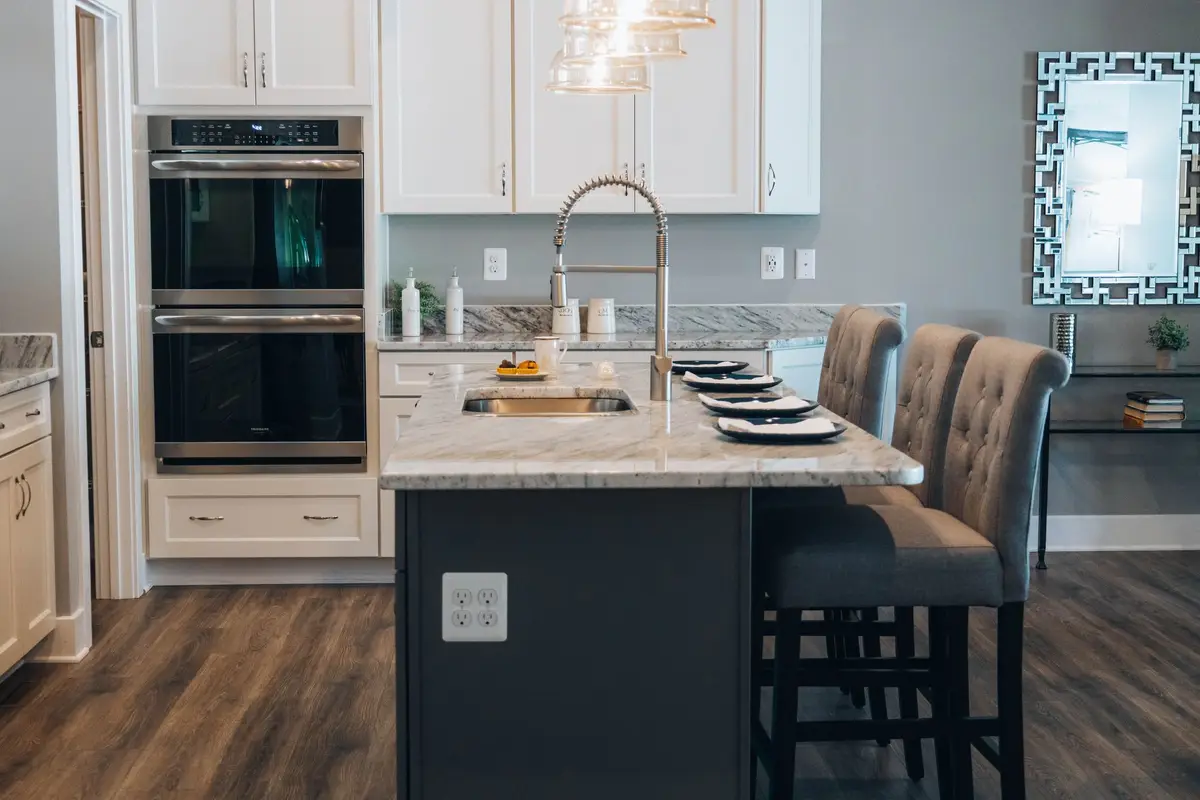
Where you need one. New Jersey enforces the 2023 National Electrical Code. It requires GFCI protection in bathrooms, kitchens, garages, basements, crawl spaces, laundry areas, outdoors and near sinks and tubs (full list).
MDL Electric holds a New Jersey electrical contractor license (34EI01606200) and works from 4 Harrison Avenue in West Orange across Essex, Morris and Union County. Call 973.809.2339 about a GFCI that trips, will not reset, or needs adding.
Where the outlet isBathroom, kitchen, garage, basement, laundry or outside.
What it does nowTrips, will not reset, is dead, or is a plain outlet with no buttons.
What else is deadOther outlets or lights that went out with it.
What is plugged inA fridge, washer, sump pump, holiday lights or tools.
Cost
What GFCI outlet installation costs.
Published national ranges, read October 29, 2026. A swap at an existing outlet sits at the low end; new wiring, an outdoor box or a new circuit sits at the high end. Market ranges, not MDL prices.
Scroll sideways to see the whole table.
| What | Market range | Source |
|---|---|---|
| Swap an existing outlet for a GFCI | $90 to $200 (HomeGuide); $100 to $200 (Angi) | HomeGuide; Angi |
| New GFCI outlet in a new spot | $150 to $350 (HomeGuide); $150 to $300 (Angi) | HomeGuide; Angi |
| National average | $210; most pay $130 to $300 | Angi |
| Outdoor GFCI outlet | $180 to $350 installed (HomeGuide); $300 to $1,400 per outdoor outlet project (Angi) | HomeGuide; Angi |
| The GFCI device alone | $12 to $40 (HomeGuide); $15 to $50 (Angi) | HomeGuide; Angi |
| Electrician labor | $50 to $130 an hour (HomeGuide); $50 to $100 (Angi); most charge a $100 to $200 minimum or trip fee | HomeGuide; Angi |
| Dedicated circuit with a new outlet | $250 to $900 | HomeGuide |
| Electrical permit, where one is needed | $50 to $350 (HomeGuide); $50 to $400 (Angi) | HomeGuide; Angi |
- Labor is most of the bill. HomeGuide says labor is 70% to 80% of the cost. A swap takes 10 to 15 minutes, but most electricians charge a one-hour minimum plus a trip fee.HomeGuide
- One GFCI can cover a whole run. A GFCI outlet also protects the outlets downstream on the same circuit, so HomeGuide and Angi both say you may need only one per circuit, at the first outlet.HomeGuide; Angi
- Bundle the visit. Angi says many electricians discount several outlets done at once, and that bundling other small electrical jobs into the same visit is cost-effective.Angi
- New wiring changes the job. HomeGuide says a GFCI in a new spot needs new wiring, may need walls opened, and may need a new circuit or a panel upgrade; rewiring runs $7 to $10 per linear foot.HomeGuide
- Old GFCIs wear out. HomeGuide and Angi both put a GFCI's life at about 7 to 15 years.HomeGuide; Angi
Where GFCI is required
Where New Jersey requires GFCI outlets.
New Jersey adopts the National Electrical Code 2023 as its electrical subcode (N.J.A.C. 5:23-3.16, NJ DCA, published through August 17, 2026). Its section 210.8(A) covers 125-volt through 250-volt receptacles in these parts of a home. List from Mike Holt's 2023 NEC summary for EC&M, read October 29, 2026.
Scroll sideways to see the whole table.
| Location | What the code covers | Required since |
|---|---|---|
| Bathrooms | Every receptacle in the bathroom. | 1975 |
| Garages and accessory buildings | Every receptacle. | 1978 (garages) |
| Outdoors | Every receptacle; plus outdoor outlets of 50 amps or less under 210.8(F). | 1973 |
| Crawl spaces and basements | Crawl spaces at or below grade, and basements, finished or not. | 1990 (crawl spaces and unfinished basements) |
| Kitchens and food or drink prep areas | Now every cord-and-plug appliance in the kitchen, such as the range, refrigerator, disposal and microwave, not only the countertop. | 1987 (kitchens) |
| Near a sink | Receptacles within 6 feet of the top inside edge of the bowl. | 1993 (wet bar sinks); 2005 (laundry and utility sinks) |
| Near a tub or shower | Receptacles within 6 feet of the outside edge, outside a bathroom. | Not listed by CPSC |
| Laundry areas | Every receptacle. | Not listed by CPSC |
| Indoor damp or wet locations, and boathouses | Every receptacle. | Not listed by CPSC |
- Older houses were built before most of these rules. CPSC says the NEC typically applies only to new construction and major renovations, so a house wired before 1987 may have no GFCI in the kitchen. Adding one is still the safer choice, and in many spots it is required the day the outlet is replaced.CPSC
- A replacement must meet today's rule. When an outlet is replaced in a spot where GFCI protection is now required, the replacement must be GFCI protected (NEC 406.4(D)(3)). New Jersey's ordinary-maintenance rule repeats it: receptacles where GFCI protection is required must comply with 406.4(D).Mike Holt, receptacles (2023 NEC); N.J.A.C. 5:23-2.7(c)3.i
- Some appliances need it wherever they are. Section 210.8(D) lists about a dozen appliances that need GFCI protection whether plugged in or hardwired, including sump pumps and electric ranges.Mike Holt (EC&M)
- The service outlet by the air conditioner. The 125-volt outlet required within 25 feet of air-conditioning equipment needs GFCI protection (210.8(E)). Listed HVAC equipment itself, such as a heat pump, does not (210.8(F) exception).Mike Holt (EC&M)
- The GFCI must be easy to reach. The 2023 code says GFCI devices must be in a readily accessible location, so you can test and reset them.Mike Holt (EC&M)
Tripping and dead outlets
A GFCI outlet that keeps tripping or will not reset.
A trip means the GFCI saw current going where it should not. Leviton's homeowner guide gives the order to work through it.
- Look at the outlet first. If it is discolored, loose, burned or warm, Leviton says replace it right away.Leviton
- Unplug everything on it. That includes cords and appliances on outlets downstream. Look for frayed cords, cracked cases or signs of heat.Leviton
- Think about what was running. If one appliance trips it, unplug that appliance; Leviton says it may be faulty or unsafe.Leviton
- Reset and watch. If it stays on, the cause may have been brief. If it trips again at once, Leviton says there may be a wiring problem or a defective device.Leviton
- Call an electrician if it keeps tripping with no clear cause or will not reset. Leviton names moisture in the wiring and a damaged circuit as hidden causes.Leviton
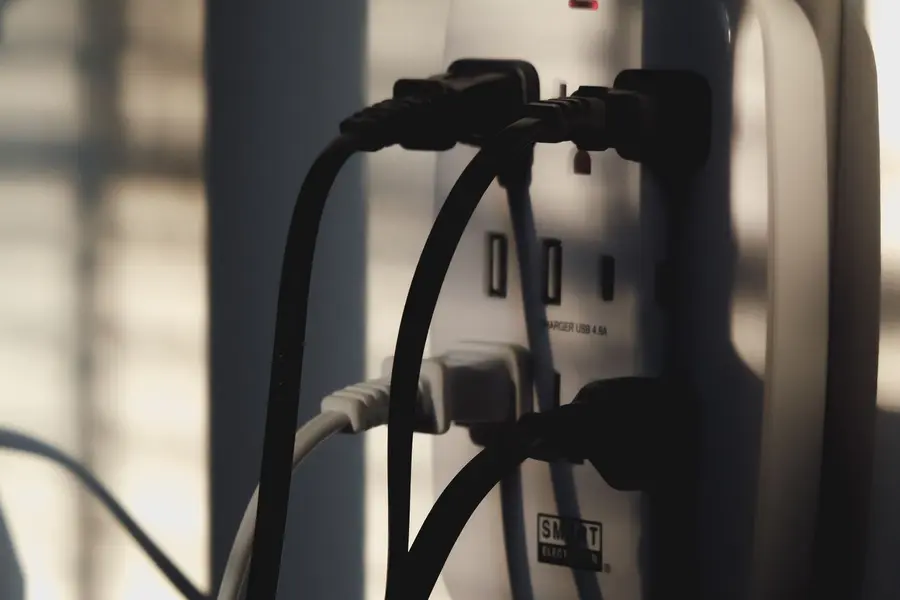
- New appliances can trip old GFCIs. Leviton says high-efficiency refrigerators, washers, induction cooktops and HVAC systems run at higher frequencies that older GFCIs can read as a fault. UL added an optional rating for GFCIs that tolerate it, and Leviton says its SmartlockPro GFCI outlets and GFCI breakers carry that design.Leviton
- A dead outlet with no buttons. The cause can be a GFCI upstream on the same circuit that tripped, possibly in another room. Note which outlets and lights still work and whether a GFCI will reset; that is the first thing to tell an electrician.MDL electrical repair
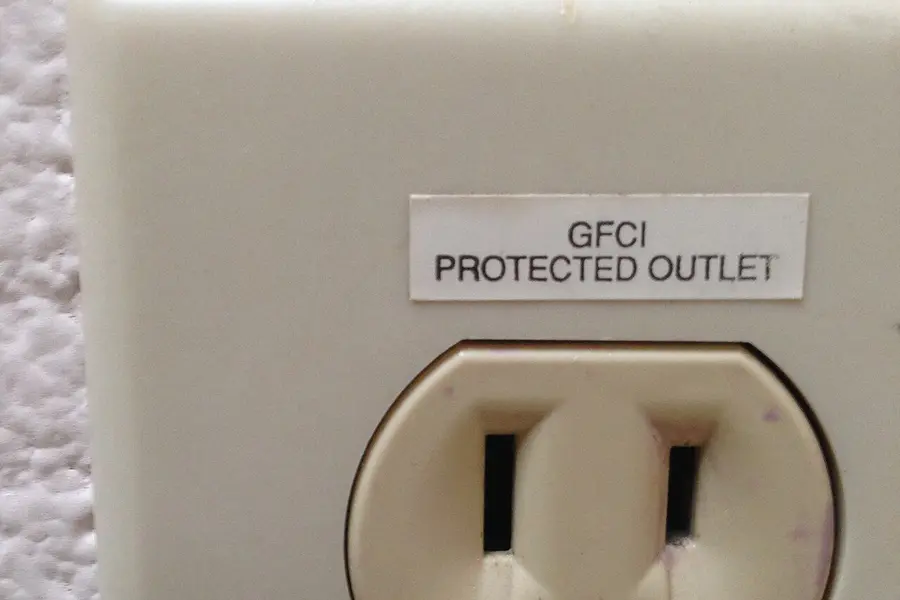
- How to test one. CPSC: plug in a lamp and turn it on, press TEST and the lamp should go out, press RESET and it should come back. If the lamp stays on after TEST, the GFCI is not working or not wired right. Test after install, monthly, and after a power failure.CPSC
Breaker or outlet
GFCI breaker vs GFCI outlet.
Both meet the code. The difference is what they cover and where you reset them (Mike Holt; CPSC).
Scroll sideways to see the whole table.
| Question | GFCI outlet | GFCI breaker |
|---|---|---|
| Where it sits | In the wall box, in place of a standard outlet. | In the electrical panel. |
| What it protects | What is plugged into it, plus outlets wired to its load terminals. | The whole circuit from the breaker on, and it also protects against overload. |
| Where you reset it | At the outlet. | At the panel. |
| Outlets with no buttons | Protected only if they are wired to its load terminals. | Every outlet, light and appliance on that circuit is protected. |
Fall and winter
Outdoor outlets, basements and storms: the GFCIs to check this season.
Holiday lights, wet weather and outages all land on the same few outlets.
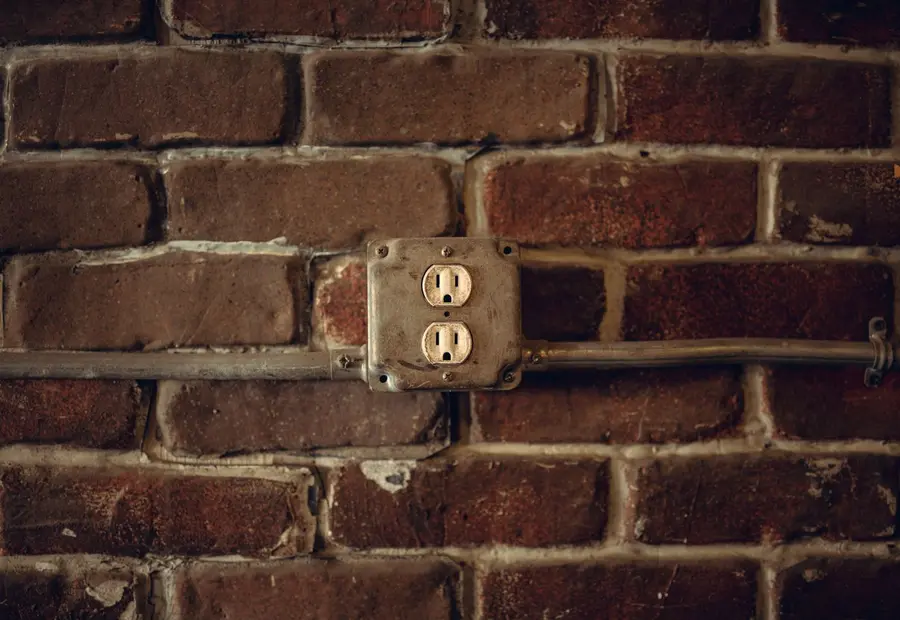
- Holiday lights need an outdoor GFCI. Outdoor receptacles at a home must be GFCI protected, and a 15- or 20-amp outlet in a wet location must be weather-resistant, under a hood that stays weatherproof with the plug in, identified as extra duty. See holiday light installation.Mike Holt, 406.9; 210.8(A)(3)
- Basement outlets and the sump pump. The 2023 code requires GFCI protection in basements and lists sump pumps among the appliances that need it. Leviton notes that a GFCI in a basement or crawl space is easy to miss when it trips, and sells an audible-alert GFCI for those spots.Mike Holt (EC&M); Leviton Captain Code
- Test after an outage. CPSC says to test every GFCI after a power failure, as well as monthly.CPSC
- Moisture is the top suspect. Leviton lists water exposure first among the common causes of a trip, so an outdoor outlet that trips in the rain needs its cover and box checked.Leviton
- Snow-melting cables. The 2023 code has a narrow exception for a receptacle that is not readily accessible and serves only fixed electric snow-melting equipment with its own ground-fault protection of equipment. Ordinary outdoor outlets still need a GFCI.Mike Holt (EC&M)
The electrical side
What an electrician checks on a GFCI job.
The device is cheap. The work is finding the right outlet, the right terminals and the right box.
01
Find the first outlet
A GFCI outlet protects the outlets wired to its load terminals, so one at the start of a run can cover the rest (Mike Holt; HomeGuide).
02
Line and load
Line is the power in from the breaker; load feeds the outlets downstream. The terminals are labeled on the back of the device (Mike Holt).
03
Ground and box
With no ground wire, a GFCI is allowed but marked "No Equipment Ground". Where the box is too small for a GFCI outlet, a GFCI-protected outlet marked "GFCI Protected" is allowed (406.4(D); CPSC).
04
Test and label
TEST and RESET with a lamp plugged in. On an ungrounded run, the outlets get the supplied "No Equipment Ground" label (CPSC).
- Tamper-resistant in homes. 15- and 20-amp, 125- and 250-volt nonlocking receptacles in dwelling units must be tamper resistant, with a few exceptions such as outlets more than 5½ feet up.Mike Holt, 406.12 (2023 NEC)
- Who may do it in New Jersey. Electrical work only by persons licensed to do it, except a single-family homeowner on his or her own home.N.J.A.C. 5:23-2.15
- CPSC on doing it yourself. Receptacle-type GFCIs may be installed by consumers with the knowledge and skills to follow proper wiring practice and the instructions; when in doubt, contact a qualified electrician.CPSC
Older, cloth-covered or ungrounded wiring behind the outlet: see knob and tube wiring replacement. A new circuit on a full panel: see panel upgrades. A breaker that trips, a dead room or a burning smell: see electrical repair.
New Jersey rules
When GFCI work needs a permit in New Jersey.
From the state Uniform Construction Code, N.J.A.C. 5:23-2, and the electrical subcode at N.J.A.C. 5:23-3.16, NJ Department of Community Affairs (published through August 17, 2026), read October 29, 2026. Your town's construction office enforces it.
Scroll sideways to see the whole table.
| Job | What the code says | Section |
|---|---|---|
| Replace an outlet with a like one | Ordinary electrical maintenance includes "the replacement of any receptacle, switch, or lighting fixture ... with a like or similar item": no permit. Receptacles where GFCI protection is required must comply with NEC 406.4(D). | 5:23-2.7(c)3.i |
| Add up to five outlets | In one- and two-family homes, installing five or fewer outlets where the existing circuits can carry the load is minor work. The town is told before work starts, and the permit application follows within five business days. | 5:23-2.17A |
| A new circuit or other new work | Installing or altering regulated equipment needs an application and a permit before the work. | 5:23-2.14(a) |
| Who may do the wiring | Persons licensed to do it, except a single-family homeowner on his or her own home. | 5:23-2.15 |
| The standard for the work | The National Electrical Code 2023, with New Jersey's amendments; none of them changes section 210.8. | 5:23-3.16 |
Where MDL works
Essex, Morris and Union County, from a West Orange base.
MDL works from 4 Harrison Avenue in West Orange. These are the towns in the three counties that have their own MDL service-area page. Whatever the town, start with a call: tell MDL where the outlet is and what it does, and MDL will tell you the next step.
Morris County
Union County
GFCI outlets
A GFCI that trips, will not reset, or needs adding? Call MDL.
Call or send the form with your town, where the outlet is, what it does now, what else went dead with it, and what is plugged in.
GFCI outlet questions
Straight answers on cost, tripping, code and permits.
Rules come from the New Jersey code and the 2023 National Electrical Code, testing from CPSC, tripping from Leviton, prices from published market ranges, not an MDL quote.
How much does it cost to install a GFCI outlet?
HomeGuide puts a new GFCI outlet at $150 to $350 and swapping an existing outlet for a GFCI at $90 to $200, with the device itself $12 to $40. Angi puts the national average at $210, with most homeowners paying $130 to $300. Both say most electricians charge a minimum or trip fee of about $100 to $200, so doing several outlets in one visit costs less per outlet. These are published market ranges read October 29, 2026, not an MDL quote.
Do I need an electrician to replace a GFCI outlet?
Not always, but it is the safe choice. CPSC says GFCI receptacles may be installed by consumers with the knowledge and skills to follow proper wiring practice and the instructions, and that when in doubt you should call a qualified electrician. New Jersey lets a single-family homeowner do electrical work on his or her own home; anyone else must be licensed (N.J.A.C. 5:23-2.15). Angi says wiring a GFCI in a new location is a job for a licensed electrician.
How do I reset a GFCI outlet?
Unplug what was on it, then press RESET firmly until it clicks and stays in. CPSC's test is simple: plug in a lamp and turn it on, press TEST and the light should go out, then press RESET and the light should come back on. If the light does not go out on TEST, the GFCI is not working or is wired wrong. If it will not reset, replace it. If a dead outlet has no buttons, look for a GFCI upstream on the same circuit, possibly in another room.
Why does my GFCI outlet keep tripping?
Leviton lists the usual causes as water exposure, damaged cords or appliances, overloaded circuits and normal wear on the outlet. Unplug everything, reset, then plug things back in one at a time. If one appliance trips it, stop using that appliance. If it trips again right away with nothing plugged in, Leviton says there may be a wiring problem or a defective device, and if it keeps tripping with no clear cause or will not reset, call a licensed electrician.
Why is my GFCI outlet not working, even after I press reset?
Three common reasons. The GFCI has worn out: HomeGuide and Angi both put the life of a GFCI at about 7 to 15 years, and the signs are no power, a TEST button that does not trip it, or a RESET button that will not reset. There is no power reaching it, so check the breaker. Or the fault is still there, so it trips again at once. A burned, discolored, loose or warm outlet should be replaced right away (Leviton).
Where are GFCI outlets required in New Jersey?
New Jersey enforces the 2023 National Electrical Code as its electrical subcode (N.J.A.C. 5:23-3.16). Section 210.8(A) requires GFCI protection for 125-volt through 250-volt receptacles in a home's bathrooms, garages and accessory buildings, outdoors, crawl spaces at or below grade, basements, kitchens, food or drink preparation areas, within 6 feet of a sink, boathouses, within 6 feet of a tub or shower, laundry areas, and indoor damp or wet locations. Outdoor outlets rated 50 amps or less need it too, under 210.8(F).
GFCI breaker vs GFCI outlet: which should I get?
Both meet the code. A GFCI breaker sits in the panel and protects the whole circuit from the breaker on. A GFCI outlet protects what is plugged into it and, through its load terminals, the outlets downstream (Mike Holt, 2023 NEC). An outlet is reset where you are standing; a breaker is reset at the panel. Either way, the 2023 code says the GFCI device itself must be in a readily accessible location.
How do I tell line from load on a GFCI?
The terminals are labeled on the back of the device. Line is the incoming power from the breaker. Load feeds the outlets downstream, and a GFCI outlet protects those outlets only when they are wired to its load side (Mike Holt). If you are not sure which cable in the box comes from the panel, that is the point to stop and call an electrician.
What are the downsides of GFCI outlets?
They can trip when nothing is wrong. Leviton says modern inverter appliances, such as high-efficiency refrigerators, washers and induction cooktops, run at higher frequencies that older GFCIs can read as a fault, and UL added an optional rating for devices that tolerate it. They wear out in about 7 to 15 years (HomeGuide). And a GFCI in a basement or crawl space can trip with no one noticing, which is why Leviton sells an audible-alert model for those spots. CPSC still says to test every GFCI at least once a month.
Does an outdoor outlet need a GFCI and a special cover?
Yes. NEC 210.8(A)(3) requires GFCI protection outdoors at a home. A 15- or 20-amp outlet in a wet location must be a listed weather-resistant (WR) type, in an enclosure that stays weatherproof with a plug in it, using an outlet box hood identified as extra duty (NEC 406.9, Mike Holt). HomeGuide puts an outdoor GFCI outlet at $180 to $350 installed; Angi puts outdoor outlet projects at $300 to $1,400. Not MDL prices.
Can I put a GFCI on a two-prong outlet with no ground wire?
Yes. CPSC says a GFCI receptacle can replace an older ungrounded two-slot receptacle, and it must carry the supplied label "No Equipment Ground". The 2023 code allows a GFCI or a GFCI-protected grounding-type outlet as a replacement where no ground wire exists, and a grounding-type outlet protected by a GFCI is marked "GFCI Protected" and "No Equipment Ground" (406.4(D), Mike Holt). A GFCI adds shock protection; it does not add a ground.
Do I need a permit to install a GFCI outlet in New Jersey?
Replacing a receptacle with a like or similar one is ordinary maintenance under N.J.A.C. 5:23-2.7(c)3.i, with no permit, but in a spot where GFCI protection is now required the replacement must meet NEC 406.4(D), which means it must be GFCI protected. Adding up to five new outlets in a one- or two-family home, where the circuits can carry the load, is minor work under N.J.A.C. 5:23-2.17A: the town is told before work starts and the permit application follows within five business days. A new circuit needs a permit before the work starts (5:23-2.14(a)).
How often should I test a GFCI outlet?
CPSC says to test every GFCI after it is installed, at least once a month, and after a power failure, and to follow the maker's instructions. Leviton says that even with modern self-testing features, a GFCI still needs a monthly press of TEST and RESET and a look for discoloration, burn marks, looseness or warmth.
Does MDL install GFCI outlets in Essex, Morris and Union County?
MDL Electric Cooling & Heating, 4 Harrison Avenue in West Orange, lists outlet, GFCI and switch repair among its electrical repair services and works across Essex, Morris and Union County. MDL Electric holds a New Jersey electrical contractor license (34EI01606200). Call 973.809.2339 or send the form with your town, where the outlet is, and what it does or does not do.
Sources
Where the rules, numbers and advice on this page come from.
All read October 29, 2026.
- N.J.A.C. 5:23-3.16, electrical subcode, NJ Department of Community Affairs (published through August 17, 2026): New Jersey adopts the National Electrical Code 2023.
- N.J.A.C. 5:23-2, Uniform Construction Code, administration and enforcement (published through August 17, 2026): ordinary maintenance, permits, licensed work, minor work.
- Mike Holt, GFCI and AFCI, based on the 2023 NEC (EC&M, December 18, 2023): 210.8(A) dwelling locations, 210.8(D), (E) and (F), breaker vs outlet, readily accessible.
- Mike Holt, Receptacles, based on the 2023 NEC (EC&M): 406.4(D) replacements, 406.9 wet locations, 406.12 tamper-resistant receptacles.
- U.S. Consumer Product Safety Commission, GFCI Fact Sheet (publication 099): 0.006 amperes, the years each location was added, how to install and test.
- Leviton, What To Do When Your GFCI Trips and Leviton, GFCIs and Modern Appliances: causes of trips, monthly testing, high-frequency nuisance tripping; Leviton Captain Code, 210.8(A): audible-alert GFCIs for basements and crawl spaces.
- HomeGuide, GFCI outlet cost (Kristen Cramer, August 29, 2025) and Angi, How Much Does a GFCI Outlet Cost to Install? (Mariel Loveland, updated September 23, 2026): price ranges, labor, permits, life span.
- Photos: Pexels, modern kitchen interior (Newman Photographs), outlet on a brick wall (Benjamin Farren) and plugs in a wall outlet (Steve), Pexels License; Wikimedia Commons, GFCI protected outlet (dankeck, CC0). Not MDL jobs.

Next steps
Related services
Electrical repair
Outlets, GFCIs and switches that are dead, trip or will not reset, diagnosed before anything is replaced.
Learn moreHoliday light installation
Outdoor GFCI outlets, in-use covers and timers for a holiday display.
Learn moreKnob and tube replacement
Older ungrounded wiring behind two-prong outlets, and when a GFCI is a stopgap.
Learn morePanel upgrades
When a new kitchen, basement or outdoor circuit needs more room in the panel.
Learn moreRequest service
Send MDL the service, town, and best callback number.
Use the form for planned service or call for urgent electrical, heating, or cooling help.