
Humidifiers · West Orange · Essex County
Whole house humidifier installation in West Orange and Essex County, NJ
A whole-house humidifier costs $400 to $1,200 installed (HomeGuide). It mounts on the furnace ductwork with a water line, a drain and a humidistat. MDL installs them from West Orange across Essex County.
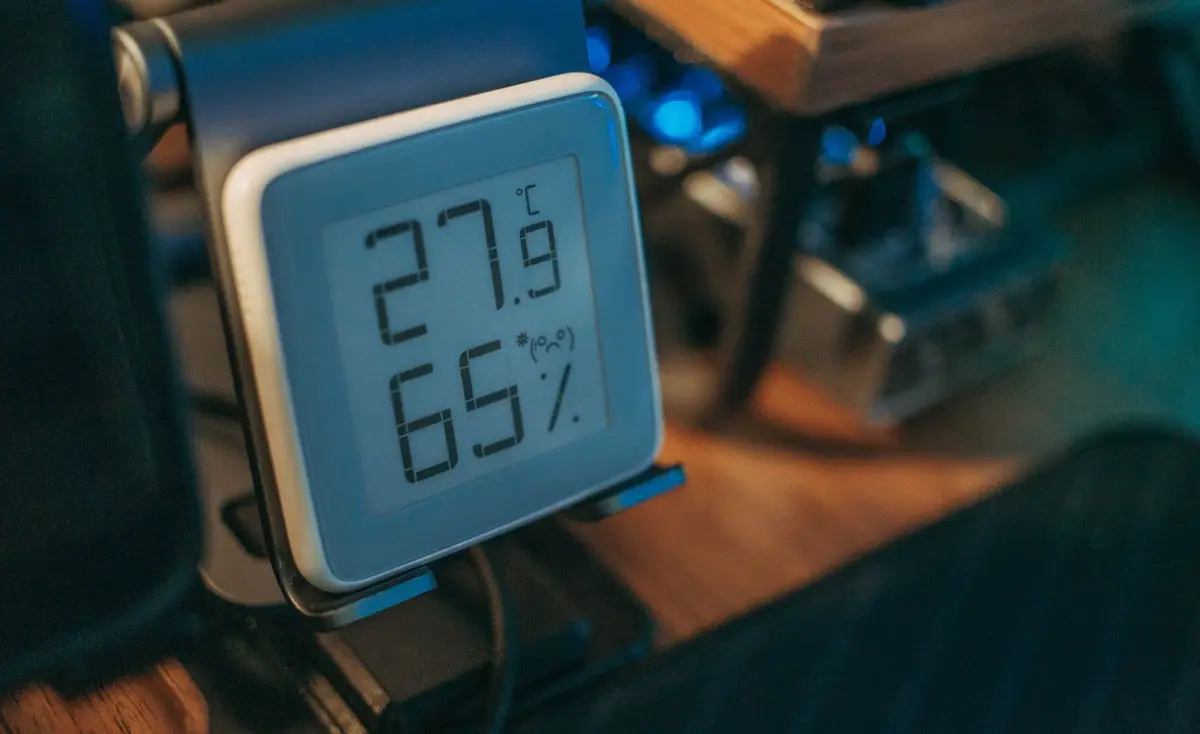
The short answer
A whole-house humidifier is a furnace add-on with three parts: the unit, the water and the control.
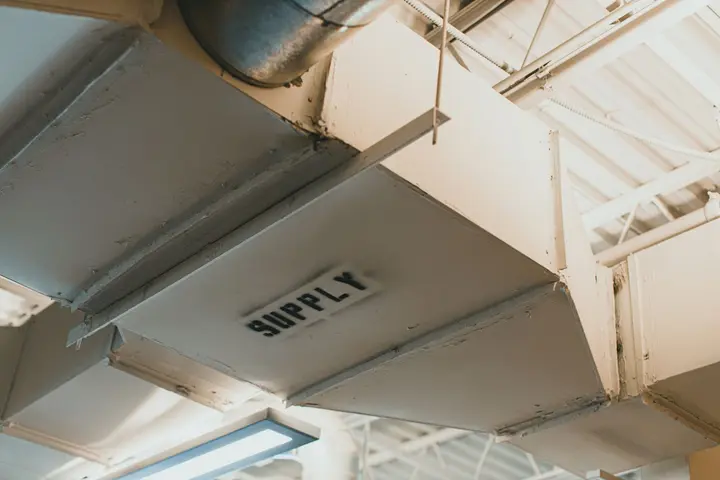
The unit mounts on the ductwork beside the furnace. Carrier names three main kinds: bypass, fan-powered and steam (compare them). Bypass is the lowest-cost kind; Carrier puts it at $400 to $800 installed. Steam runs $1,200 to $2,500 installed (cost table).
The water and the control are a water line, a drain on most units, and a humidistat wired to the furnace. Set it so winter windows stay dry: the EPA says 30% to 50% indoor humidity (how high to set it).
It needs ducts. A house heated by a boiler and radiators has no ducts to mount it on (options for those homes). MDL holds a New Jersey master HVACR contractor license (19HC00308200) and a New Jersey electrical contractor license (34EI01606200), and works from 4 Harrison Avenue in West Orange. Call 973.809.2339.
Your heatA furnace with floor or wall vents, or a boiler with radiators or baseboard.
The furnace labelMake and model if you can read it, and where the furnace sits: basement, attic or closet.
The houseRough square footage and the town.
What you have nowNo humidifier, an old one that leaks or stopped working, or a portable unit.
First question
Does your house have ducts?
A whole-house humidifier rides on forced air. In Essex County, gas heat is the norm and many homes are old, so the answer varies house to house.
- Gas heats most Essex County homes. Utility gas heats 70.7% of occupied homes in Essex County; electricity heats 22.3%. Gas can feed a furnace or a boiler, so fuel alone does not answer the question.US Census Bureau, ACS 2024 1-year, table B25040
- The housing is old. 30.3% of Essex County homes were built in 1939 or earlier, against 13.7% in Morris County and 22.7% in Union County.US Census Bureau, ACS 2024 1-year, table B25034
- Vents mean a furnace. Floor or wall registers that blow warm air mean forced air, and a duct-mounted humidifier can go on it.
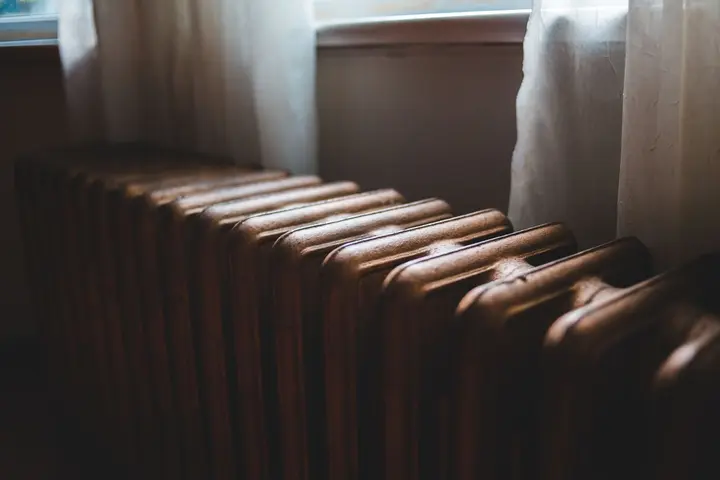
- Radiators mean a boiler. Cast iron radiators or baseboard fed by pipes mean hot water or steam heat, with no ducts. See boiler services.
- Boiler homes still have options. AprilAire sells a steam humidifier with a wall-mounted fan pack, the Model 865, for homes without ducted air systems; it is rated up to 34.6 gallons a day in a tight home. Portable units work room by room; the EPA says to clean them every third day.AprilAire 865; EPA
Bypass vs fan-powered vs steam
Three kinds of whole-house humidifier, side by side.
All three add water to the air moving through the ducts. They differ in how much water they can add, what they need, and what they cost to buy and run.
Scroll sideways to see the whole table.
| Question | Bypass | Fan-powered | Steam |
|---|---|---|---|
| How it adds water | The furnace blower pushes warm air through a wet water panel; a small bypass duct links supply and return. | Its own fan blows air across a wet water panel. | Boils water with electricity and sends steam into the duct. |
| Output (Carrier models) | Up to 12 gallons a day (small) or 17 to 18 (large) | Up to 18 gallons a day | Up to 34 gallons a day |
| Runs when | Only when the furnace blower runs | Has its own fan | Works apart from the furnace heating cycle |
| Installed cost | $400 to $800 (Carrier) | No installed range published; Carrier rates the equipment $$ of $$$, between bypass and steam | $1,200 to $2,500 (Carrier); $500 to $2,200 (HomeGuide) |
| Running cost a year (HomeGuide) | $1 to $3 | $9 to $28 | $150 to $480 |
| Extra needs | Room for the bypass duct | Power for the fan | A dedicated electrical circuit (HomeGuide) |
| Install time (HomeGuide) | 2 to 3 hours | 2 to 3 hours | 4 to 6 hours |
| Heat pumps | Not a fit: heat pump air is not hot enough (HomeGuide) | Carrier's preferred type for heat pumps | HomeGuide's pick for heat pumps |
- Bypass is the simple, cheap one. HomeGuide calls it cheaper and quieter, with fewer moving parts. It is not recommended for modulating furnaces, whose fan runs slow.HomeGuide
- Fan-powered adds output without steam. Carrier says it can add moisture without relying only on the furnace blower. HomeGuide says it suits larger homes.Carrier; HomeGuide
- Steam is the most output and the most work. It needs its own circuit and costs the most to run. HomeGuide puts a dedicated circuit at $250 to $900. If the panel is full, see panel upgrades.HomeGuide
- Size by the house, not just square feet. Carrier says to weigh home size, insulation, air leakage, climate and humidity needs when sizing a humidifier.Carrier
The installation
How a furnace humidifier goes in.
The general steps, from HomeGuide's guide. The manufacturer's manual for the exact model sets the details. HomeGuide warns that skipping them can cause leaks, flooding or electrical problems.
01
Pick the spot
Bypass units go on the return or supply duct; fan-powered units usually on the supply duct. The spot needs a water line and, for most units, a drain nearby.
02
Cut in and seal
The furnace is turned off, an opening is cut in the duct, and the humidifier is mounted level with an airtight seal.
03
Bypass duct, if any
A bypass unit gets a short duct to the other side of the system.
04
Humidistat and wiring
The humidistat goes at least 6 inches from the humidifier and is wired to the furnace or transformer and the water valve.
05
Water and drain
The water line is connected and the drain piping is run. Drum units need no drain line.
06
Test and set
Power back on, check for leaks, then set the humidity for the season. Bypass and fan-powered: 2 to 3 hours. Steam: 4 to 6.
- Two trades in one box. The job touches ductwork, a water line and control wiring, and a steam unit adds a new circuit. MDL holds both a New Jersey master HVACR license (19HC00308200) and an electrical contractor license (34EI01606200).
- Automatic control is worth it. HomeGuide says automatic humidistats adjust to the outside temperature and cut the risk of moisture damage. It puts them at $90 to $200, against $30 to $50 for manual ones.HomeGuide
- The warranty can depend on who installs it. HomeGuide says most brands require professional installation and registration within 60 to 90 days for the warranty to be valid.HomeGuide
- Easiest with a new furnace. HomeGuide and Carrier both say adding a humidifier during a furnace replacement is simpler. Replacing the furnace this winter? See heating installation.HomeGuide; Carrier
How high to set it
Enough to stop the dry air, not so much that windows sweat.
Cold air holds less water, so a cold window fogs first. The colder it is outside, the lower the setting has to be.
Scroll sideways to see the whole table.
| Source | Recommended indoor humidity |
|---|---|
| US EPA | Below 60%, ideally 30% to 50% |
| Carrier | Generally 30% to 50%, varying with outdoor temperature |
| University of Minnesota Extension | 25% in winter to 50% in summer; above 50%, moisture problems may occur |
| NDSU Extension | About 40% in winter |
| AprilAire | 40% to 60%, citing ASHRAE, while noting outdoor temperature limits what is attainable |
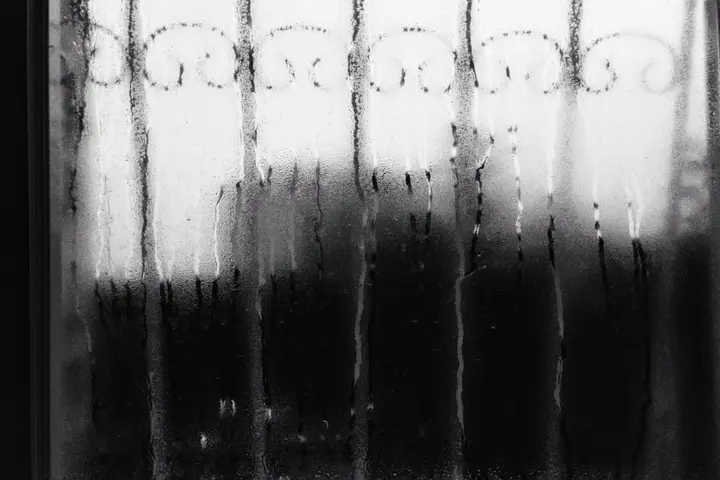
- Windows are the gauge. NDSU Extension says that at 40% indoors, double-pane windows start to show condensation when it drops below 0°F outside.NDSU Extension
- Condensation is the warning. The EPA's mold and moisture guide lists condensation on windows, walls or pipes as a sign of high humidity.EPA
- People add water too. NDSU Extension says each person adds about 3 pints of water vapor a day just by breathing, before showers, cooking and laundry.NDSU Extension
- Turn it down on cold snaps. UMN Extension says humidity has to be low in cold winter weather to prevent condensation and damage to the house. An automatic humidistat does this for you (HomeGuide).UMN Extension; HomeGuide
Cost
What a whole-house humidifier costs to install and run.
Published national ranges, read October 31, 2026. A bypass unit on an easy-to-reach furnace sits at the low end; a steam unit with a new circuit at the high end. Market ranges, not MDL prices.
Scroll sideways to see the whole table.
| What | Market range | Source |
|---|---|---|
| Whole-house humidifier, installed | $400 to $1,200; national average $750 | HomeGuide |
| Whole-house humidifier, installed, all types | $500 to $2,500 | Carrier |
| Bypass, installed | $400 to $800 | Carrier |
| Steam, installed | $1,200 to $2,500 | Carrier |
| Flow-through (water panel), installed | $200 to $950 | HomeGuide |
| 1,000 to 2,000 sq ft home (12 gallons a day) | $250 to $730 installed | HomeGuide |
| 2,500 to 3,000 sq ft home (17 gallons a day) | $300 to $1,400 installed | HomeGuide |
| 3,000 to 5,000+ sq ft home (18+ gallons a day) | $450 to $2,000 installed | HomeGuide |
| Labor alone | $100 to $900 | HomeGuide |
| Dedicated circuit (steam units) | $250 to $900 | HomeGuide |
| Automatic humidistat | $90 to $200 | HomeGuide |
| Yearly maintenance | $70 to $150 | HomeGuide |
- Running cost depends on the type. HomeGuide puts it at $1 to $3 a year for bypass, $9 to $28 for fan-powered, and $150 to $480 for steam.HomeGuide
- It may let you turn the heat down. Carrier says humidified air can feel warmer, so some homeowners set the thermostat lower. It also says not to assume a payback period without estimating your own savings.Carrier
- It lasts. HomeGuide says a whole-house humidifier lasts 10 to 15 years or more when installed and maintained properly.HomeGuide
- Save on the install. Carrier suggests bundling it with a furnace replacement or a maintenance visit. Due for one? See the furnace tune-up.Carrier
Upkeep
Keeping a whole-house humidifier clean and dry.
A humidifier is a water device inside the duct system. Most of its upkeep is one part a year and a look for leaks.
- New water panel every fall. Carrier recommends replacing the evaporator pad once a year, before the heating season, and more often with hard water. HomeGuide puts pads at $10 to $20.Carrier; HomeGuide
- Replace, do not scrub, paper panels. Carrier says paper or mesh water panels cannot be cleaned. Other removable parts may soak 30 minutes in equal parts white vinegar and water, only where the manual allows it.Carrier
- Steam units use a canister. Carrier says to replace it when the unit signals it is due.Carrier
- Check the water and drain lines. Carrier lists leaks, a unit that makes no moisture, a stuck water valve, and humidistat or wiring faults as reasons to call a technician.Carrier
- Shut it down in spring. Carrier recommends a spring shutdown that follows the owner's manual: water off, unit drained and cleaned where the manual says so.Carrier
- Moisture in the ducts is a separate problem. A leaking humidifier can wet the duct system. See the ductwork and air duct guide for that.
New Jersey permits
Ask the town before the work starts.
Each town's construction office decides what needs a permit. Maplewood publishes its list, read October 31, 2026. A humidifier is not named on either side of it.
Scroll sideways to see the whole table.
| Work | Maplewood's list |
|---|---|
| New wiring or electrical outlets | Needs a construction permit |
| New ductwork | Needs a construction permit |
| New or replaced furnace or boiler | Needs a construction permit |
| Replacement of duct work | No construction permit |
| Repair of furnace or air conditioning equipment | No construction permit |
Maplewood also says ordinary maintenance under the New Jersey Uniform Construction Code needs no permit, and almost all work needs zoning approval. A steam humidifier on a new circuit involves new wiring. Call your town's construction office, or ask MDL when you call.
Where MDL works
West Orange, Essex County, and the towns around it.
MDL works from 4 Harrison Avenue in West Orange. These are the towns in Essex, Morris and Union County that have their own MDL service-area page. Whatever the town, start with a call: tell MDL the town and whether you have a furnace or a boiler.
Morris County
Union County
Whole-house humidifiers
Call MDL about a humidifier for your furnace.
Call or send the form. Include your town, furnace or boiler, the furnace model if you can read it, and roughly how big the house is.
Humidifier questions
Straight answers on cost, types, settings and upkeep.
Types, steps and upkeep come from Carrier and HomeGuide, humidity targets from the EPA and two university extension services, and prices from published market ranges, not an MDL quote.
What is the average cost to install a whole house humidifier?
HomeGuide puts a whole-house humidifier at $400 to $1,200 installed, with a national average of $750. Carrier estimates $400 to $800 installed for a bypass unit and $1,200 to $2,500 for a steam unit. A steam unit that needs a new circuit costs more; HomeGuide puts a dedicated circuit at $250 to $900. These are published national ranges, not MDL prices.
What is the difference between a bypass humidifier and a power humidifier?
A bypass humidifier uses the furnace blower to push warm air through a wet water panel, with a small bypass duct between the supply and return ducts. A fan-powered (power) humidifier has its own fan, so it needs no bypass duct. Carrier rates its large bypass and fan-powered models at up to 18 gallons a day, and its small bypass at 12. HomeGuide says bypass units are cheaper and quieter, and fan-powered units suit larger homes.
Where does a whole-house humidifier go on a furnace?
On the ductwork next to the furnace. HomeGuide says bypass models can go on the return or the supply duct, and fan-powered units usually go on the supply duct. A steam unit sends steam into the ductwork. The humidistat is mounted separately; HomeGuide says at least 6 inches from the humidifier.
Can a humidifier be added to an existing furnace?
Yes, if the house has a forced-air furnace and ducts. HomeGuide says a humidifier is easiest to add during a furnace replacement but can be added to an existing furnace, and puts the labor at $100 to $900. Carrier says older systems may need duct or electrical changes, which add labor.
Can you install a furnace humidifier yourself?
HomeGuide calls it a complex job best left to a professional: the duct is cut, a water line is tapped, a drain is run, and the humidistat and water valve are wired. It warns that skipping the manufacturer's instructions can cause leaks, flooding or electrical problems, and says most manufacturers require a licensed HVAC installer for the warranty.
What humidity should a house be in winter?
Low enough that the windows stay dry. The EPA says to keep indoor humidity below 60%, ideally between 30% and 50%. University of Minnesota Extension says 25% in winter to 50% in summer, and NDSU Extension says to aim for about 40% in winter. Turn it down on very cold nights or when windows start to sweat.
Should I leave my furnace humidifier on or off in winter?
On during the heating season, set to a level that keeps the windows dry, and lower on the coldest nights. Carrier recommends a spring shutdown that follows your owner's manual and a fresh water panel before the next heating season. Bypass units also have a damper with a seasonal setting; Carrier's startup checklist covers it.
What is the downside of a whole house humidifier?
Too much moisture, if it is set too high. The EPA lists condensation on windows, walls or pipes as a sign of high humidity, and University of Minnesota Extension says moisture problems may start above 50%. Other downsides: a water panel to replace every year, a water line and drain that can leak if neglected, and, for steam units, a dedicated circuit and a higher running cost ($150 to $480 a year, HomeGuide).
What are signs I need a humidifier?
Static shocks, dry skin and chapped lips in winter, and wood floors, trim or furniture that crack (HomeGuide, Carrier). A hygrometer settles it; HomeGuide puts one at $10 to $70. If it reads below 30% on a winter day, the air is drier than the EPA's 30% to 50% range.
How does a steam humidifier work?
It boils water with electricity and sends the steam into the ductwork, so it does not depend on warm furnace air (Carrier). Carrier's steam model makes up to 34 gallons a day. HomeGuide says steam units need a dedicated electrical circuit and take 4 to 6 hours to install, against 2 to 3 hours for bypass and fan-powered units.
Do I need a humidifier with a heat pump?
Maybe, and the type matters. HomeGuide says heat pump air is not hot enough for a drum or flow-through humidifier to work well, and recommends steam. Carrier names its fan-powered humidifier as the preferred type for homes with heat pumps. HomeGuide also says low humidity in a heat pump home can come from air leaking in around windows and doors.
Can I get a whole-house humidifier if my house has radiators or a boiler?
Not the duct-mounted kind, because it needs forced air. AprilAire sells a steam humidifier with a wall-mounted fan pack, the Model 865, for homes without ducted air systems. Otherwise, portable humidifiers work room by room; the EPA says to clean them every third day. Ask MDL what fits your house.
How often should the humidifier pad be changed?
Once a year, before the heating season, on evaporative (bypass and fan-powered) units, per Carrier, and sooner with hard water. HomeGuide puts replacement pads at $10 to $20. Carrier says paper or mesh water panels cannot be cleaned and must be replaced. Steam units use a canister that is replaced when the unit calls for it.
Do I need a permit for a whole-house humidifier in New Jersey?
It depends on the work and your town. Maplewood's construction office lists new wiring and new ductwork as work that needs a construction permit, and replacing duct work and repairing furnace equipment as work that does not. A humidifier is not named on either list. Ask your town's construction office before the work starts.
How do I ask MDL about a whole-house humidifier?
Call 973.809.2339 or send the form on this page. Include your town, whether you have a furnace with ducts or a boiler with radiators, the furnace model if you can read it, and roughly how big the house is. MDL holds a New Jersey master HVACR contractor license (19HC00308200) and a New Jersey electrical contractor license (34EI01606200).
Sources
Where the numbers and advice on this page come from.
All read October 31, 2026.
- Costs, types, steps and upkeep: HomeGuide, How Much Does a Humidifier Cost to Install? (Tara Farmer); Carrier, Whole House Humidifier Costs in 2026, What Are the Different Whole House Humidifier Types? and Whole-Home Humidifier Maintenance (Travis Baugh, September 29, 2026). Not MDL prices.
- Humidity targets: US EPA, A Brief Guide to Mold, Moisture and Your Home; US EPA, Use and Care of Home Humidifiers; University of Minnesota Extension, Controlling moisture problems in your home; NDSU Extension, Window Condensation Common Problem; AprilAire, Relative Humidity Chart.
- Homes without ducts: AprilAire Model 865 product page.
- Essex, Morris and Union County homes: US Census Bureau, American Community Survey 2024 1-year, via Census Reporter, tables B25040 (house heating fuel) and B25034 (year structure built).
- Permits: Maplewood Township, When Do I Need A Construction Permit.
- Photos: Pexels, digital hygrometer (FOX), radiator under a window (Erik Mclean), fogged window (Maria Varshavskaya) and supply duct (Jonathan Cooper), all Pexels License. Not MDL jobs.
Next steps
Related services
Heating installation
Adding a humidifier is simplest with a new furnace: compare furnace, boiler and heat pump options.
Learn moreFurnace tune-up
Pre-season furnace maintenance, a good time to change the humidifier's water panel.
Learn moreBoiler services
Hot water and steam heat with radiators or baseboard, the homes a duct humidifier cannot serve.
Learn moreAir duct cleaning
Moisture, odor or material in the ducts, and the difference between cleaning and repair.
Learn moreRequest service
Send MDL the service, town, and best callback number.
Use the form for planned service or call for urgent electrical, heating, or cooling help.