24/7 electrical, heating, and cooling help across North Jersey

Call 973.809.2339

Air duct cleaning · Montclair and Essex County

Air duct cleaning should start with evidence—not a routine promise.

MDL helps North Jersey property owners separate a justified cleaning project from airflow, leakage, moisture, pest, filtration, equipment, or damaged-duct problems that need a different solution.

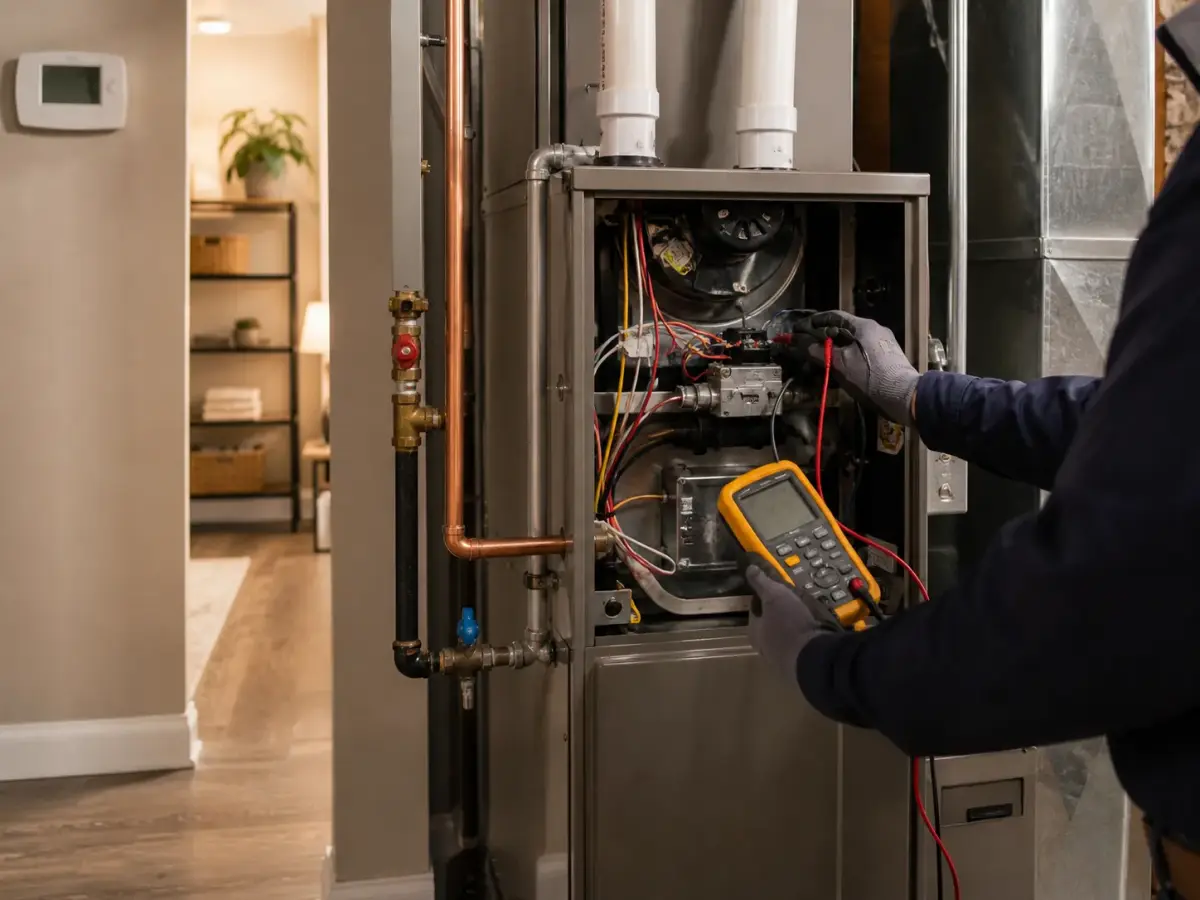
HVAC technician inspecting a residential air handler and duct system in North Jersey

Start with the reason

EPA recommends an as-needed decision—not automatic cleaning on a calendar.

A cleaning proposal should begin with a documented condition. The U.S. Environmental Protection Agency's current homeowner guidance says knowledge about the benefits of duct cleaning remains limited and does not recommend routine cleaning except as needed.

EPA identifies three conditions that can justify consideration: substantial visible mold growth inside hard-surface ducts or other system components, vermin such as rodents or insects in the duct system, or ducts clogged with excessive dust and debris that are actually releasing particles through supply registers. Even then, the source, duct material, affected components, and complete scope should be confirmed before work begins.

A dusty register, dark mark, odor, allergy concern, renovation, old filter, weak airflow, or years since the last cleaning can justify an inspection. None of those observations alone proves that the entire duct system needs cleaning—or that cleaning will solve the owner's concern.

Visible materialIdentify where it appears, whether it is actually inside the HVAC system, how much is present, and whether the system is releasing it.
Moisture or suspected moldFind the water or humidity source, identify the duct material, and separate cleanable hard surface from wet or contaminated insulation.
Vermin or insectsAddress the infestation and entry path before treating cleaning as a complete solution.
Comfort or airflow complaintInspect the filter, blower, coil, controls, returns, dampers, leakage, damage, balancing, and equipment before assuming debris is the cause.

Five different problems

Cleaning, sealing, repair, replacement, and HVAC diagnosis are not interchangeable.

A careful assessment explains which condition exists, which system or component is affected, and why the proposed work matches it. A cleaning-only quote should not be used to hide a leak, damaged duct, wet liner, failed blower, dirty coil, pest entry, moisture source, or system-design problem.

Clean

Remove appropriate material from the defined system

The scope should identify the contaminants, duct material, supply and return path, registers, accessible equipment components, method, containment, protection, access openings, final verification, and every exclusion.

Seal

Correct air leakage at ducts and connections

Cleaning does not close leaks. ENERGY STAR distinguishes duct sealing and recommends durable materials such as mastic or metal tape for accessible leakage rather than ordinary cloth duct tape.

Repair

Correct disconnected, crushed, damaged, or poorly supported ductwork

Loose connections, torn flex duct, damaged transitions, failed supports, unsafe access, or another physical defect needs a repair scope, not a promise that cleaning alone will restore airflow.

Replace

Remove material that cannot be cleaned safely or effectively

EPA says wet or moldy insulated duct material cannot be effectively cleaned and should be removed and replaced. Replacement should include moisture-source correction and compatible material.

Diagnose

Find the source of weak airflow, odor, noise, dust, or comfort trouble

Filter restriction, blower or coil condition, return paths, dampers, controls, leakage, capacity, humidity, equipment operation, and room-by-room distribution can all matter.

Maintain

Keep filters and equipment on their appropriate service path

Filter replacement, coil or drain service, combustion safety, equipment maintenance, exhaust systems, dryer vents, and housekeeping are separate tasks. The proposal should name what is and is not included.

Whole-system scope

“Duct cleaning” can mean very different work unless every component is named.

EPA describes duct cleaning as work involving components of a forced-air system, not merely the visible register openings. Depending on the system and approved scope, that can include supply and return ducts, registers, grilles, diffusers, heat exchangers, heating and cooling coils, condensate drain pans, fan motor and housing, and the air-handling unit.

If one contaminated component is left untreated, the system may be recontaminated after the blower runs. The opposite problem also matters: a proposal should not bill for components that were never inspected, are not accessible, belong to a different system, or do not need the proposed work.

Ask the contractor to mark the system on a plan or register count, identify every air handler or furnace, distinguish supply from return, and list excluded plenums, concealed zones, lined sections, flex branches, coils, humidifiers, filters, exhausts, dryer vents, chimneys, and other equipment. That written boundary makes quotes comparable.

DistributionSupply trunk and branches, return path, registers, grilles, diffusers, plenums, dampers, access points, and concealed or inaccessible sections.
EquipmentAir handler or furnace, blower, housing, heat exchanger, heating or cooling coil, drain pan, filter rack, humidifier, and any component explicitly included.
Separate systemsDryer exhaust, kitchen or bath exhaust, chimney, combustion vent, commercial exhaust, and another HVAC system are not automatically included.
ProofPre-work findings, register or system count, approved method, before-and-after records, cleanliness verification, access closure, cleanup, damage reporting, and owner closeout.

Inspection before price

The proposal should be based on the actual system, material, access, and condition.

A phone quote can establish a starting range or appointment policy, but the final scope should match the systems and conditions found at the property. Record uncertainty rather than converting it into a universal cleaning package.

01

Define the concern

Document visible material, rooms affected, odor, airflow or comfort symptoms, renovation, pest or moisture history, filter history, system age, equipment operation, and what result the owner expects.

02

Map the systems

Count air handlers or furnaces, supply and return registers, zones, floors, accessible trunks and branches, roof or attic equipment, commercial or common systems, and every separate exhaust or dryer vent.

03

Identify materials and access

Distinguish sheet metal, flexible duct, fiberboard, internal liner, insulation, concealed chases, crawlspaces, attics, finished ceilings, access panels, and sections that cannot be inspected without additional work.

04

Find the source

Check for moisture, pests, construction debris, damaged filters or racks, leakage, disconnected ducts, coil or blower condition, and another problem that must be corrected before or with cleaning.

05

Select and approve the method

Name containment, negative pressure when used, agitation or source-removal tools, component protection, access openings, chemical products if separately proposed, cleanup, verification, and stop conditions.

06

Close out the system

Verify the approved components, close and seal access openings appropriately, return registers and equipment to operating condition, document damage or exclusions, clean the work area, and supply the promised records.

Method and containment

Removing material is only part of the job; keeping it out of occupied space matters too.

Current NADCA process guidance emphasizes a defined scope and continuous negative pressure during cleaning to limit the spread of dislodged material. The exact equipment and method still depend on the duct material, system configuration, contamination, access, property, and contractor's approved process. This page does not claim a specific MDL machine, certification, or technique before the request is reviewed.

Ask how the system will be isolated, how registers and finishes will be protected, where collection equipment and hoses will be placed, how furniture and electronics will be covered or moved, how dust will be prevented from entering rooms, and what happens if damaged ductwork, wet insulation, suspected hazardous material, pests, or inaccessible contamination is discovered.

For flexible duct or internal liner, require a material assessment before aggressive agitation or pressure is approved. NADCA's current guidance says flex systems should be evaluated to choose a protocol and decide whether cleaning or replacement is appropriate; age or material alone does not prove either answer.

ContainmentSystem isolation, register protection, collection location, negative pressure when used, occupied-space protection, and a plan for dislodged material.
Source removalTools and contact method suited to the duct and component material, plus limits for liner, flex duct, coils, dampers, electronics, and fragile sections.
AccessExisting openings, new access points, authorization before cutting, safe edges, closure materials, air sealing, finish restoration, and photographs.
Stop conditionsWet or damaged insulation, pests, suspected hazardous material, structural or electrical danger, inaccessible components, or conditions outside the accepted scope.

Mold and moisture

A cleaning quote is incomplete if it does not address the moisture source and duct material.

A dark mark or odor is not a reliable species identification or health diagnosis. Ask what evidence supports the conclusion, where the material appears, whether it is on a hard surface or porous insulation, whether the system has active moisture, and whether the affected area can be seen and reached.

EPA's mold and moisture guidance centers the work on moisture control: clean appropriate material, correct the water problem, and dry water-damaged areas promptly. EPA's duct-cleaning guidance says wet or moldy insulated ducts cannot be effectively cleaned and should be removed and replaced.

The scope should identify a roof, plumbing, condensate, humidifier, infiltration, insulation, air-leakage, humidity, cooling-coil, drain-pan, or other source when one is found. A promise to spray or deodorize the system without correcting the source does not establish durable remediation.

EvidenceVisible location, surface or liner type, moisture reading or observed water path when appropriate, extent, access, photographs, and the person making the assessment.
SourceLeak, condensate, humidity, infiltration, wet insulation, drainage, humidifier, coil or pan condition, or another moisture path that must be corrected.
Material decisionCleanable hard surface, replaceable wet or moldy insulation, damaged flex or liner, inaccessible section, and compatible replacement or repair.
Health boundaryNo promise that duct cleaning will diagnose, treat, prevent, or cure allergy, asthma, irritation, infection, or another medical condition.

Biocides, sanitizers, sealants, and fragrances

A chemical treatment is a separate decision—not an automatic cleaning upgrade.

EPA advises consumers to understand the unresolved questions and possible implications before allowing chemical biocides or sealants. Do not approve a product from a generic promise to “sanitize,” “kill everything,” “seal dust,” or improve health. Ask for the exact product and proposed use before work.

Identity

Get the product name, label, and safety information

Record manufacturer, product, EPA registration when applicable, active ingredients, safety-data information, intended use, dilution, application method, amount, and the party supplying it.

Permission

Confirm the label allows the proposed surface and use

Ask whether the product is labeled for bare sheet metal, lined duct, flex duct, coil, drain pan, occupied-space HVAC use, or another specific surface. “EPA registered” does not mean every use is permitted.

Need

Require a documented reason for the treatment

The proposal should state the condition being addressed, why source removal alone is not the complete scope, and what evidence supports the selected product instead of a nonchemical alternative.

Exposure

Understand ventilation, drying, re-entry, and occupant precautions

Ask about people, children, pets, sensitive occupants, food or personal items, required personal protection, ventilation, odor, drying time, system shutdown, and re-entry instructions.

Compatibility

Protect duct material, equipment, coatings, sensors, and warranties

Confirm compatibility with liner, flex duct, insulation, metals, coils, electronics, filters, sealants, adhesives, manufacturer instructions, and any warranty or maintenance requirement.

Proof

Document what was applied and where

The closeout should identify the product, surfaces, amount, date, label instructions followed, areas excluded, precautions, and any follow-up. This page makes no chemical-treatment promise.

Health and indoor-air claims

Use evidence and source control instead of promising that a cleaning will make someone healthier.

Current competitors frequently connect duct cleaning with asthma, allergies, eczema, “toxins,” broad indoor-air percentages, or guaranteed cleaner air. MDL should not repeat those claims without evidence tied to the property and the exact service. EPA says duct cleaning has never been shown to prevent health problems and studies do not conclusively demonstrate that dirty ducts increase indoor particle levels in every home.

People with symptoms should speak with a qualified health professional. A property investigation may also need to consider moisture and mold, pests, smoking, combustion, cleaning products, outdoor air, renovation, filtration, ventilation, humidity, furnishings, pets, and other sources. Duct cleaning is a building service, not a medical diagnosis.

A defensible service outcome is narrower: complete the approved scope, remove the documented material from included components using an appropriate method, keep dislodged material out of occupied areas, correct or identify the source, return the system to the agreed condition, and supply the promised verification.

No medical guaranteeDo not promise to treat, cure, prevent, or diagnose asthma, allergy, eczema, infection, respiratory symptoms, or another health condition.
No universal air-quality guaranteeCleaning a defined HVAC system does not control every indoor or outdoor pollutant, moisture source, combustion source, behavior, or ventilation condition.
No automatic efficiency promiseCleaning does not by itself seal leakage, balance airflow, repair equipment, correct capacity, change insulation, or prove lower utility bills.
Verifiable scopePromise only the inspection, components, method, protection, source-removal work, cleanup, tests, records, and warranty terms actually included in writing.

Airflow, comfort, and energy

Cleaning is not the default fix for weak airflow, dust near registers, or high energy bills.

Begin with the symptom. A blocked or wrong filter, dirty coil, blower condition, control setting, closed damper, obstructed register, poor return path, duct leakage, crushed flex duct, disconnected section, damaged insulation, equipment capacity, refrigerant or combustion problem, and room-by-room load can all affect comfort and operation.

ENERGY STAR's duct-sealing guidance separates leakage work from cleaning. It recommends sealing accessible leaks with durable materials such as mastic or metal tape, insulating accessible ducts in unconditioned areas, and checking connections at registers and vents. A cleaning proposal should not claim to deliver those results unless sealing, repair, insulation, or balancing is separately inspected and included.

Use the AC repair guide for no-cooling, warm-air, water, ice, noise, and cooling-system faults; the heating repair guide for no-heat and heating symptoms; and the HVAC service hub when the request crosses equipment, distribution, and electrical scope.

Dust at one registerInspect the register, nearby surface, filter, return leakage, local renovation or housekeeping source, and whether the material is actually coming from the duct.
Weak airflowCheck filter, coil, blower, controls, dampers, registers, returns, duct damage and leakage, system operation, and affected rooms before selecting cleaning.
High billsReview equipment operation, setpoints, weather, envelope, duct leakage and insulation, maintenance, occupancy, and utility data. Cleaning alone does not prove savings.
OdorIdentify timing and source. Moisture, drain, filter, coil, pests, combustion, sewer, chemicals, outdoor air, smoke, or another source may need a different response.

Montclair and Essex County properties

System count, property type, access, and authorization can change the project more than the ZIP code.

For a Montclair, West Caldwell, West Orange, Nutley, or nearby Essex County request, start with the exact address and ask MDL to confirm coverage. A single-family forced-air system, multifamily property, condo, rental, office, storefront, mixed-use building, or commercial system can have different ownership, access, shutdown, protection, approval, and occupancy requirements.

A condo or rental request should identify the person authorized to approve the work and whether the ductwork, air handler, rooftop equipment, shafts, mechanical rooms, ceilings, or common areas belong to the unit or building. A commercial request should identify operating hours, sensitive areas, tenant coordination, equipment served, roof or lift access, and any dust-control or shutdown rule.

Review the focused Montclair service-area page, the West Orange service-area page, or the complete North Jersey coverage hub. Search visibility or a location phrase does not substitute for confirmation of service availability, system type, authorization, price, or scope.

Single-familyNumber of systems, floors, basement, attic or crawlspace access, supply and return count, duct material, equipment location, renovation, pests, moisture, and occupied-room protection.
Condo or multifamilyUnit versus common system, owner or association approval, managing agent, roof or mechanical-room access, shared returns or shafts, shutdown, keys, working hours, and affected residents.
RentalOwner authorization, tenant notice, access, property manager, service responsibility, pets, personal-property protection, and who receives findings and approves changes.
CommercialSystem schedule, zones and spaces served, occupant operations, sensitive equipment, roof or ceiling access, containment, after-hours needs, permits for alterations, and closeout documentation.

Air duct cleaning cost and proposal proof

Compare the same system and scope—not an advertised number with a complete project.

Current search results frequently publish flat ranges, free quotes, discounts, or add-on packages. This site does not invent an MDL price. The number of systems, runs, returns, registers, floors, duct materials, access, contamination, components included, method, protection, repairs, chemicals, verification, and building coordination can all change the work.

System

Count the equipment, zones, returns, supplies, and registers

Identify every air handler or furnace, floors and areas served, duct branches, plenums, registers, grilles, concealed sections, and separate exhaust or dryer system so both proposals price the same boundary.

Condition

Describe the material, source, extent, and duct construction

State what was observed, where, how it was verified, whether moisture or pests are involved, sheet-metal or porous material, damaged sections, and the condition that must be corrected first.

Method

Name containment, collection, agitation, access, and protection

Record negative pressure when used, source-removal tools, register and property protection, new access openings, closure, cleanup, chemical products if separately approved, and stop conditions.

Components

List included equipment and every exclusion

Clarify blower, housing, heat exchanger, coils, drain pans, humidifier, filter rack, plenums, lined or flex sections, dryer vent, exhausts, chimney, repairs, sealing, balancing, and maintenance.

Proof

Require findings and closeout that can be reviewed

Ask for the initial assessment, approved scope, before-and-after records, cleanliness verification method, damage or inaccessible-area report, access closure, system return-to-service, cleanup, and owner instructions.

Changes

Define what can stop or expand the job

Wet insulation, pests, hazardous material, damaged ducts, inaccessible sections, equipment failure, building restrictions, electrical danger, extra systems, repairs, chemicals, and restoration should require a documented change path.

Before the appointment

Send enough context to route the request without diagnosing the duct from a photograph.

Provide the address and ZIP code, property type, owner or tenant status, approving contact, number of heating and cooling systems, equipment locations, approximate age, filter size and replacement history if known, supply and return register count if practical, floors and rooms affected, and safe photos of visible material or equipment labels.

Describe what prompted the request: particles leaving registers, visible material, pest evidence, moisture or water, odor, renovation, a recent equipment problem, weak airflow, uncomfortable rooms, filter loading, or a prior inspection. Note when it happens, which system is running, what has already been cleaned or repaired, and whether the concern affects one room or the entire building.

Do not open equipment, cut ducts, disturb suspected mold or hazardous material, enter an unsafe attic or crawlspace, handle pests, or reach near moving or energized components for a quote photo. A safe visual record can help prepare the callback; it does not replace the on-site assessment.

PropertyAddress, ZIP, use, floors, unit, owner or tenant, approving contact, occupied hours, children, pets, sensitive rooms, parking, loading, roof, attic, crawlspace, and mechanical-room access.
SystemsNumber of air handlers or furnaces, zones, locations, labels, supply and return count, duct material if known, filters, humidifier, recent service, and separate dryer or exhaust systems.
ConcernVisible material, odor, moisture, pests, debris, renovation, weak airflow, comfort, noise, filter loading, rooms affected, timing, photos, and the result the owner expects.
SafetySmoke, fire, sparking, gas odor, carbon-monoxide alarm, damaged equipment, standing water near electrical equipment, hazardous material, or unsafe access belongs on the safety path first.

Verified business proof

Public reviews and credentials customers can check.

MDL's claimed Google Business Profile identifies the company as family owned, established in 2007, and categorized for heating, air conditioning repair, electrical, and HVAC work.

4.8 out of 5 on GoogleBased on 102 public Google reviews checked July 15, 2026.
Established in 2007Family-owned electrical and HVAC service for North Jersey properties.
Claimed Google profileListed as a heating contractor, air conditioning repair service, electrician, and HVAC contractor.

Request an air-duct and HVAC review

Send the property, systems, visible condition, access, and result you need.

MDL can confirm coverage and whether the next step fits duct cleaning, HVAC diagnosis, duct repair or sealing, equipment service, or another path. This page does not promise a cleaning, medical outcome, certification, chemical treatment, price, appointment time, or final scope before the property and request are reviewed.

Air duct cleaning FAQ

Direct answers about need, mold, health claims, cost, methods, chemicals, airflow, and scope.

These answers address the Montclair, Essex County, West Caldwell, West Orange, and Nutley questions visible in historical and current search demand without inventing prices, equipment, certifications, health outcomes, offers, or universal cleaning schedules.

Is air duct cleaning always necessary?

No. The U.S. EPA does not recommend routine duct cleaning on a fixed schedule because the evidence does not support a blanket benefit. Consider a professional assessment when there is substantial visible mold growth inside hard-surface ducts, vermin in the duct system, or excessive dust and debris that is actually being released into occupied rooms. The condition and source should be verified before a cleaning proposal is accepted.

What should a complete air duct cleaning proposal include?

Ask the proposal to name the supply and return ductwork, registers, grilles, diffusers, accessible air-handler or furnace components, blower, housing, heat exchanger, cooling coil, drain pan, and any other component included or excluded. It should also identify the inspection method, access openings, containment or negative-pressure approach, agitation or source-removal method, property protection, cleanup, final verification, records supplied, and how access openings will be closed.

Will duct cleaning cure allergies, asthma, or another health problem?

This page makes no medical or indoor-air-health guarantee. EPA says duct cleaning has not been shown to prevent health problems and studies do not conclusively show that dirty ducts raise indoor particle levels in every home. If someone has symptoms or a medical concern, speak with a qualified health professional and investigate moisture, pests, filtration, ventilation, combustion safety, cleaning products, smoking, outdoor sources, and other possible contributors rather than treating duct cleaning as a diagnosis.

How do I know whether a dark mark inside a duct is mold?

A photo or dark spot alone does not establish what the material is. Ask who will assess it, what evidence supports the conclusion, whether moisture is present, and what source will be corrected. EPA notes that wet or moldy insulated duct material cannot be effectively cleaned and should be removed and replaced. If a broader mold problem exists, moisture control and an appropriate remediation plan matter more than a cleaning-only promise.

Does air duct cleaning fix weak airflow or rooms that are too hot or cold?

Not necessarily. Weak or uneven airflow can come from a blocked filter, closed or obstructed register, blower or control problem, coil condition, duct leakage, crushed or disconnected ductwork, poor return paths, balancing, system capacity, or another HVAC fault. Cleaning removes appropriate contaminants; it does not automatically seal leaks, repair damaged ducts, correct sizing, balance the system, or fix equipment. Ask for diagnosis before assuming cleaning is the right repair.

What is the difference between duct cleaning and duct sealing?

Cleaning addresses appropriate material inside the system. Sealing addresses air leakage at ducts and connections. ENERGY STAR recommends durable sealing materials such as mastic or metal tape for accessible leaks and distinguishes that work from cleaning. A property may need cleaning, sealing, repair, insulation, balancing, filtration work, equipment service, or no duct work at all; the inspection should define which condition exists.

Can flexible or internally lined ducts be cleaned?

The duct material and condition must be assessed before a method is selected. Flexible duct and internal liner can be damaged, deteriorated, wet, contaminated, crushed, disconnected, or unsuitable for a proposed process. Current NADCA guidance says flex duct systems should be evaluated to determine the appropriate protocol and whether cleaning or replacement is warranted. Ask the contractor to identify the material, condition, limitations, and replacement triggers in writing.

Should a contractor apply a sanitizer, biocide, fragrance, or sealant after cleaning?

Do not approve a chemical treatment as an automatic add-on. Ask for the exact product, EPA registration when applicable, label directions, approved surfaces and use, purpose, exposure precautions, drying or re-entry requirements, compatibility with the duct material and HVAC system, and evidence that the proposed condition calls for it. EPA advises consumers to understand the unresolved questions and possible implications before allowing biocides or sealants.

How much does air duct cleaning cost in Montclair or Essex County?

A responsible price depends on the number and type of systems, supply and return runs, registers, property size and layout, duct material, access, contamination, equipment components included, method, protection, access openings, photos or verification, repairs, chemicals if separately approved, and commercial or multifamily coordination. Compare the same written scope across proposals instead of comparing a low advertised number with a full-system project.

How often should air ducts be cleaned?

EPA recommends an as-needed decision rather than a routine schedule. A prior cleaning date by itself does not prove the system needs another cleaning. Document the actual condition, source, system changes, renovation debris, pest history, moisture, filter and equipment maintenance, and material being released from the ducts. The assessment should explain why cleaning is or is not justified now.

Is dryer-vent cleaning the same as HVAC air-duct cleaning?

No. A clothes-dryer exhaust is a separate system with a different purpose, route, termination, lint condition, and fire-safety concern. Do not assume an air-duct quote includes the dryer vent, chimney, exhaust duct, bathroom fan, kitchen exhaust, coil cleaning, or another system. Ask the proposal to identify each system and service separately, and ask MDL to confirm whether the requested scope is offered.

Does MDL serve Montclair, West Caldwell, West Orange, Nutley, and nearby Essex County?

MDL publishes service coverage across North Jersey and local pages for Montclair and West Orange. Include the exact address and ZIP code, property type, number of HVAC systems, duct material if known, reason for the request, photos when safe, access constraints, and best callback number so the team can confirm coverage and whether duct cleaning, HVAC diagnosis, or another service path fits the property.

Next steps

Continue to the right HVAC or local path

HVAC

HVAC services

Use the complete comfort-system hub when the concern crosses equipment, airflow, ductwork, controls, heating, cooling, or electrical scope.

Learn more
AC

AC repair

Route no cooling, warm air, weak airflow, water, ice, new noise, or cooling-system electrical symptoms to diagnosis.

Learn more
Heating

Heating repair

Route no heat, cold air, short cycling, furnace, heat-pump, boiler, thermostat, or heating-distribution symptoms.

Learn more
Montclair

Montclair service area

Confirm Montclair electrical and HVAC context and submit the exact property details.

Learn more
West

West Orange service area

Confirm local electrical and HVAC context from MDL's West Orange operating base.

Learn more
North

North Jersey service areas

Confirm published coverage before scheduling a Montclair, West Caldwell, West Orange, Nutley, or nearby request.

Learn more

Request service

Send MDL the service, town, and best callback number.

Use the form for planned service or call for urgent electrical, heating, or cooling help.