
Ductless mini split installation · West Orange and Essex County
Ductless mini split installation in West Orange and Essex County, NJ
Installed ductless mini splits run about $2,500 to $15,000 (Carrier, October 2026) depending on zones and electrical work. MDL Electric Cooling & Heating in West Orange installs them for radiator homes, additions, attics and finished basements, holding both the HVACR and the electrical license the job needs.
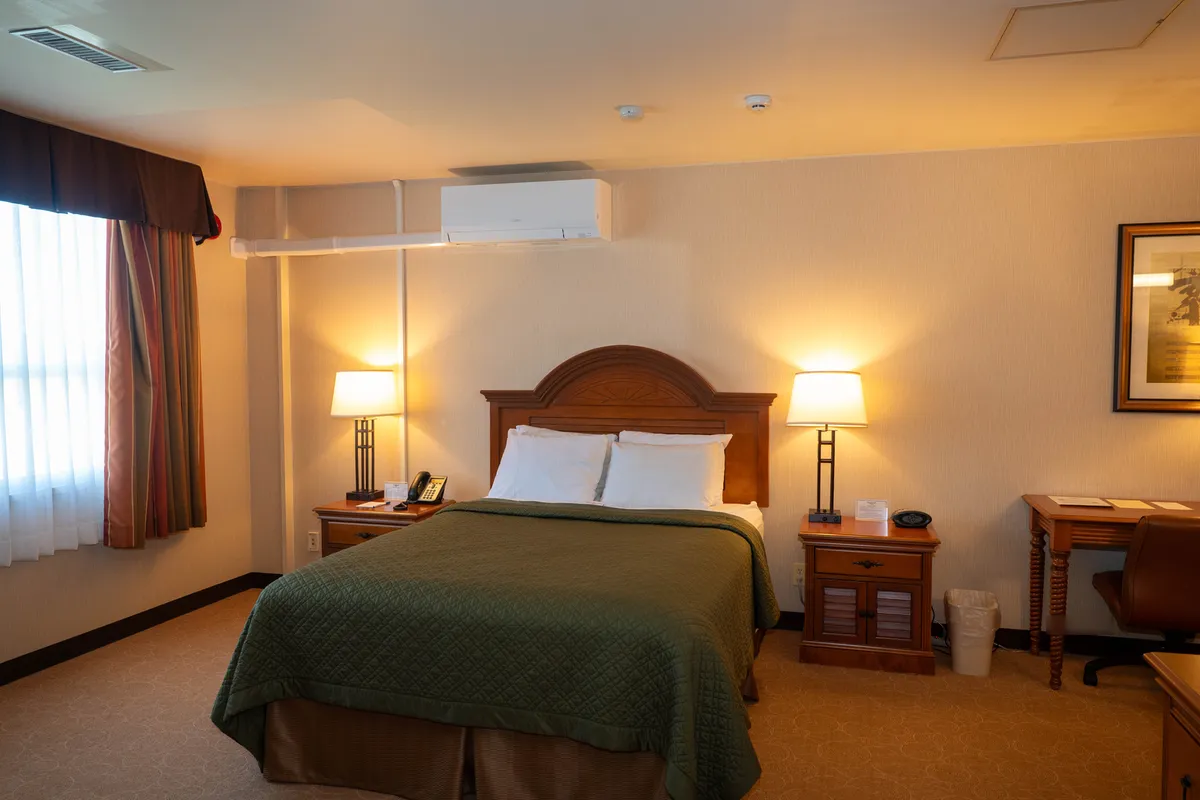
The short answer
A mini split cools and heats one room, or several, without ducts. The fit, the size and the circuit decide the job.
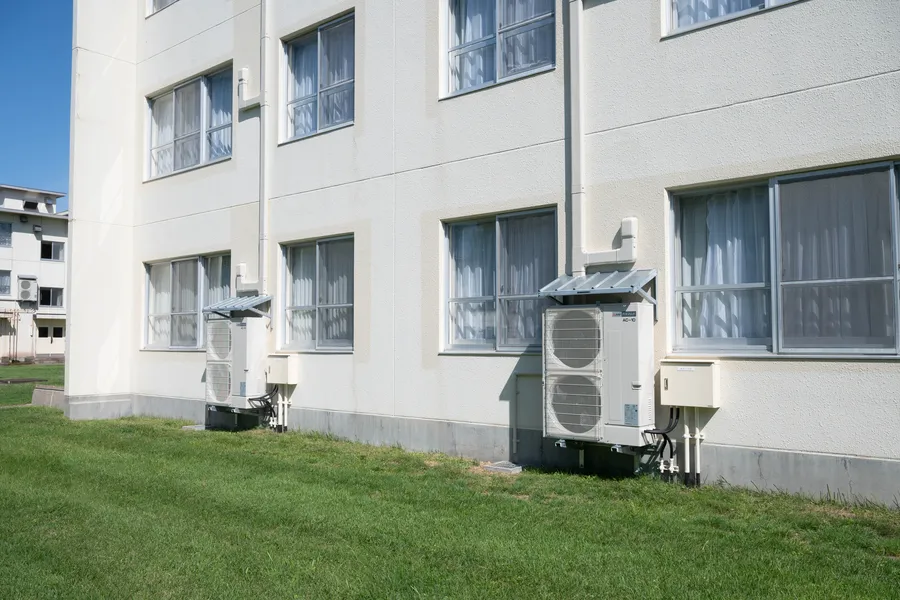
What it is. A ductless mini split is a heat pump in two parts: an outdoor unit, and one or more indoor units mounted on a wall or ceiling, joined by a refrigerant line set through a three-inch hole. ENERGY STAR says these systems are built for homes, or parts of homes, that have no ductwork, and that they heat as well as cool (ENERGY STAR).
Where it fits here. Boiler and radiator homes with no ducts, additions, finished attics, basements and the hot upstairs bedroom. Just over half of Essex County's housing was built before 1960 (the local picture).
What it costs. Carrier's 2026 guide: $2,500 to $15,000 or more installed. Southern Air's published range: $2,000 to $10,500. Zones, efficiency and electrical work move the price (cost table). Market ranges, not MDL prices.
MDL Electric Cooling & Heating holds a New Jersey master HVACR contractor license (19HC00308200) and an electrical contractor license (34EI01606200), so the refrigerant side and the dedicated circuit come from one contractor. It works from 4 Harrison Avenue in West Orange across Essex, Morris and Union County. Call 973.809.2339 to plan a mini split.
The roomsWhich rooms need cooling or heat, their rough size, ceiling height and how much sun they get.
The heating you haveBoiler and radiators, furnace and ducts, electric baseboard, or nothing in that room.
The panelA safe photo of the electrical panel with the door open, so breaker space and capacity can be read.
The outside wallWhere an outdoor unit could sit: ground, wall bracket or flat roof, and how far from the room it serves.
Where mini splits fit
Why so many West Orange and Essex County homes end up ductless.
Central air needs ducts. A large share of the housing here was built around radiators, long before ducts were standard. Figures from the Census Bureau's American Community Survey, read October 31, 2026.
- Old houses, by the numbers. In Essex County 30.3% of homes were built before 1940 and 51.8% before 1960; only 7.4% were built in 2010 or later. In West Orange 59.4% of homes predate 1960.ACS 2024 1-year, B25034, Essex County; ACS 2024 5-year, West Orange
- Mostly gas heat, often through a boiler. 70.7% of Essex County homes heat with utility gas, 22.3% with electricity and 3.2% with fuel oil. The Census counts the fuel, not the ducts, but a gas boiler feeding radiators leaves no duct system to put central air into.ACS 2024 1-year, B25040, Essex County
- Two-family houses. 45,345 Essex County homes are in two-unit buildings, where each floor needs its own cooling and its own electric meter. A single-zone mini split per apartment keeps the two systems and the two bills separate.ACS 2024 1-year, B25024, Essex County
- Additions and converted spaces. Southern Air's list of where mini splits make the most sense: room additions and converted garages, where extending ductwork would cost more than the new equipment; bonus rooms over garages; and whole homes without ducts.Southern Air
- Attics and top floors. Carrier says rooms with high ceilings, poor insulation or strong sun need more capacity than their square footage suggests; the finished attic is the usual example, and a single head there is cheaper than tearing in ducts.Carrier, sizing
- Replacing electric heat. ENERGY STAR says certified mini splits use up to 60% less energy than standard electric resistance heat, so a room on electric baseboard is a strong candidate.ENERGY STAR
- When central air still wins. Carrier: if the home already has usable ducts, a new central system is typically cheaper than a multi-zone mini split, and its equipment stays out of sight. See central air installation for that comparison.Carrier, mini split vs central air
Single zone or multi zone
One outdoor unit per room, or one outdoor unit for the house.
The first decision, and the one that moves the price most. From Carrier's 2026 guides and Southern Air's installer notes, read October 31, 2026.
Scroll sideways to see the whole table.
| Question | Single zone | Multi zone |
|---|---|---|
| What it is | One outdoor unit feeding one indoor unit | One outdoor unit feeding several indoor units; Carrier's support up to five or six |
| Best fit | One problem room, an addition, a finished attic, one apartment of a two-family | Two to six rooms, a floor, or a whole house without ducts |
| Outdoor space | One condenser per room served | One larger condenser for all the rooms |
| Install time | About four to eight hours | One to two days; longer when line sets run through joist bays or soffits |
| Price | Lowest; Carrier says a single-zone unit "often costs less" | Higher; more indoor units, more line sets, a larger condenser |
| Risk | If it fails, one room is out | If the outdoor unit fails, every room on it is out; each head is also tested on its own at startup |
Indoor unit styles: wall-mounted is the common one. Carrier also makes ceiling cassettes, under-ceiling consoles and floor consoles for rooms with no good wall; Southern Air says these cost more to buy and to install (Carrier, ductless system types).
Sizing
How big a mini split each room needs, and why bigger is not safer.
Two published starting points, then the adjustments. The written proposal should show a load calculation, not just square footage.
Scroll sideways to see the whole table.
| Room | Carrier estimate | Southern Air table |
|---|---|---|
| 150 to 250 sq ft (small bedroom, office) | About 5,000 to 6,000 BTU/h for 200 sq ft | 6,000 BTU |
| 250 to 350 sq ft (bedroom) | About 7,500 BTU/h for 300 sq ft | 9,000 BTU |
| 350 to 450 sq ft (large bedroom, den) | About 10,000 BTU/h for 400 sq ft | 12,000 BTU |
| 450 to 550 sq ft (living room) | About 12,500 BTU/h for 500 sq ft | 15,000 BTU |
| 550 to 700 sq ft (open living and dining) | 15,000 to 18,000 BTU/h for 600 sq ft | 18,000 BTU |
| 700 to 1,000 sq ft (finished basement, open floor) | About 25,000 BTU/h for 1,000 sq ft, often as more than one indoor unit | 24,000 BTU |
| Whole 2,000 sq ft house | Typically a multi-zone system; each room sized on its own | Multiple zones, with an honest look at whether ducts would serve better |
- Add for height, sun and leaks. Carrier adjusts upward for ceilings over 8 feet, weak insulation, large or sunny windows and a climate with hard winters or 90°F summers.Carrier
- One ton is 12,000 BTU. Equipment is sold by the ton or by BTU; a 12,000 BTU head is a one-ton head.Carrier
- Oversized means short cycling. Carrier: a unit that is too powerful cools the room fast and shuts off, restarts, and repeats. That raises bills, stresses the parts and leaves humidity behind.Carrier
- Ask for the load calculation. Both sources say the final size comes from a professional load calculation of square footage, insulation and layout, not the rule of thumb.Carrier; Southern Air
New Jersey winters
Heating with a mini split through a West Orange January.
A mini split is a heat pump, so it heats by pulling warmth out of cold outdoor air. The question is how cold it can go.
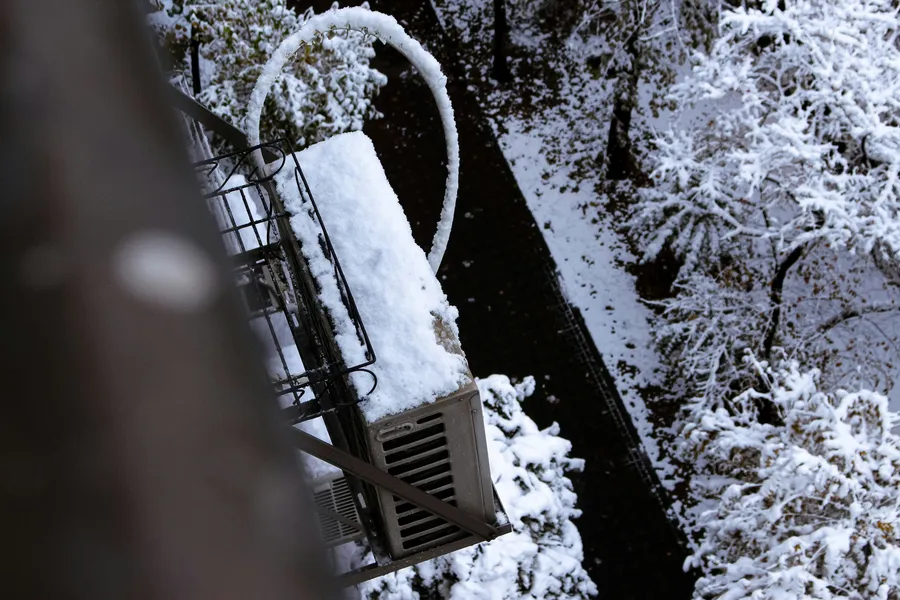
- How cold it gets here. At Newark Liberty Airport, January's average low is 25.5°F, about 80 nights a year drop below 32°F, and about 3 nights a year drop below 10°F (NOAA 1991 to 2020 normals).NOAA NCEI monthly normals; annual normals
- Standard units fade below about 20°F. Carrier says many mini split systems begin to lose efficiency when the outdoor temperature drops below 20°F.Carrier, Are Mini Splits Efficient?
- Cold-climate models are tested at 5°F. ENERGY STAR's cold-climate certification requires third-party verified performance down to 5°F, and ENERGY STAR says many certified mini splits "excel at providing space heating even in the coldest of climates".ENERGY STAR, air-source heat pumps; ENERGY STAR, ductless
- Up to three times the heat per unit of electricity. Because a heat pump moves heat rather than making it, ENERGY STAR says it can deliver up to three times more heat energy than the electricity it uses. Electric baseboard delivers one for one.ENERGY STAR
- Keep the boiler as backup. In a radiator home the sensible plan is a cold-climate mini split for the bulk of the season and the boiler for the handful of single-digit nights. ENERGY STAR's own guidance pairs a heat pump with a backup source for the deepest cold.ENERGY STAR
- Set it and leave it. ENERGY STAR says a heat pump does not save energy when it is turned down at night or while you are away; pick a comfortable setting and hold it. Carrier's inverter mini splits ramp up and down rather than cycling on and off.ENERGY STAR; Carrier
- What to ask for in writing. The model's rated heating capacity at 5°F and at 17°F, whether it carries the ENERGY STAR cold-climate mark, and a base-pan heater or wall bracket so defrost water does not freeze under the unit.
Already have a heat pump or mini split that is not heating? See heat pump repair.
The electrical side
The circuit, the disconnect and the panel: the half of the job MDL's electrical license covers.
Southern Air calls the electrical step "the step that adds cost and a second trade" when the panel is full. MDL holds both licenses, so it is one trade here.
- A dedicated circuit. Most mini splits need their own circuit, commonly 15 to 30 amps depending on capacity, run from the panel to the outdoor unit.Southern Air
- A disconnect within sight. A weatherproof disconnect box mounted near the outdoor unit, so power can be cut at the equipment for service.Southern Air
- New wiring to both units. Family Handyman's installer guidance: even if an old air-conditioner circuit exists, propose new wiring for the indoor and the outdoor unit, and never reuse an old line set, whose size will not match the new equipment.Family Handyman
- A GFCI service outlet within 25 feet. The 2023 electrical code requires a GFCI-protected 125-volt service receptacle within 25 feet of the air-conditioning equipment (210.8(E)). The mini split itself, as listed HVAC equipment, is exempt from GFCI protection (210.8(F) exception).Mike Holt (EC&M), 2023 NEC 210.8
- Panel space and capacity. A 240-volt circuit needs a two-pole breaker and the panel has to carry the added load. A full or undersized panel is the usual reason a mini split quote grows; see panel upgrades for how MDL checks that.
- Inspection before power, on a bigger job. If the work includes a new or upgraded electric service, PSE&G says the local inspection authority must inspect the wiring and issue a "cut-in card" before PSE&G installs the meter.PSE&G, mandatory local inspections
- Licensed work. New Jersey allows heating, air conditioning and refrigeration work, and electrical work, only by persons licensed for it, except a single-family homeowner on his or her own home.N.J.A.C. 5:23-2.15
Cost
What ductless mini split installation costs in 2026.
Published ranges, read October 31, 2026. Market ranges, not MDL prices; MDL quotes after a site visit.
Scroll sideways to see the whole table.
| What | Published range or note | Source |
|---|---|---|
| Installed, all systems | $2,500 to $15,000 or more | Carrier |
| Installed, all systems | $2,000 to $10,500 | Southern Air |
| Single zone | The low end of both ranges; "often costs less" | Carrier |
| Multi zone, whole home | The high end; a 2,000 sq ft house "usually ranges between $2,500 and $15,000, depending on the number of indoor heads" | Carrier |
| Number of zones | "A one zone system and a four zone system are different projects, not different sizes of the same project" | Southern Air |
| Capacity and efficiency | A 24,000 BTU condenser costs more than a 9,000 BTU one; higher SEER2 costs more up front and less to run | Southern Air; Carrier |
| Indoor unit style | Ceiling cassettes, floor consoles and concealed ducted heads cost more to buy and install than wall units | Southern Air |
| Electrical work | A dedicated 15 to 30 amp circuit and disconnect; a full panel adds cost | Southern Air |
| Labor, home condition, region | Local labor rates, the condition of the home and the climate area all move the price | Carrier |
| Permits and inspection | Part of a professional install; an unpermitted install "can surface later during a home sale" | Southern Air |
Rebates and financing in PSE&G territory
- PSE&G HVAC Instant Rebates Program. For PSE&G residential customers, the rebate is applied on the invoice by a participating contractor, and qualified customers may finance the project with up to $25,000 in interest-free on-bill repayment. Low- to moderate-income customers may get an additional $300 per eligible measure. Read October 31, 2026.PSE&G, heating and cooling offers
- Ask two questions. Whether the contractor is a PSE&G participating contractor, and what the current rebate is for the exact model proposed. The state's Clean Energy Program was not checked for this page; confirm any state rebate on its own site before you count on it.
- Running cost. ENERGY STAR puts a typical household's energy bill around $1,900 a year with almost half going to heating and cooling, and says certified mini splits cut that by transferring heat instead of generating it.ENERGY STAR
The installation
What a professional mini split installation covers.
The steps from Southern Air's crews and Family Handyman's installer checklist, in order.
01
Survey and sizing
Rooms, loads, indoor unit placement high on an exterior wall, the condensate route settled first, the outdoor unit location and the line-set length checked against the manufacturer's limits.
02
Mount and drill
The indoor unit's bracket goes on, a three-inch hole is drilled through the wall with a slight downward pitch, and the outdoor unit is set on a pad, a wall bracket or roof stands.
03
Lines and wiring
A new refrigerant line set, the condensate drain and the control wiring run through the hole; the dedicated circuit and the disconnect are installed; the service outlet is placed within 25 feet.
04
Vacuum, charge and test
The lines are pressure-tested with nitrogen and pulled to a deep vacuum, the refrigerant is released, superheat and subcooling are verified, condensate drainage is confirmed and each zone is run on its own.
Southern Air's time budget: four to eight hours for a single zone, one to two days for multi-zone. Specialist tools, Family Handyman notes, include a nitrogen tank, a digital micron gauge, a refrigerant scale and flaring tools, which is why a DIY kit is not the same job.
New Jersey rules
Permits for a mini split in West Orange and Essex County.
From the state Uniform Construction Code, N.J.A.C. 5:23-2, NJ Department of Community Affairs (published through August 17, 2026), and the Township of West Orange's permit FAQ, both read October 31, 2026. Your town's construction office enforces the code and decides edge cases.
Scroll sideways to see the whole table.
| Job | What the rule says | Source |
|---|---|---|
| Install a new mini split | Installing or altering regulated equipment needs an application and a permit before the work. | N.J.A.C. 5:23-2.14(a) |
| In West Orange specifically | "Permits are also required for installation and replacement of equipment such as air conditioning and furnaces." | West Orange FAQ |
| Replace an old mini split | A replacement is an installation of equipment: permit required. | N.J.A.C. 5:23-2.14(a); West Orange FAQ |
| Repair an existing mini split | "Repair of air conditioning equipment and systems" is ordinary maintenance: no permit, inspection or notice. | N.J.A.C. 5:23-2.7(c)5.iv |
| Swap a fan motor of the same size | "Replacement of motors, pumps and fans of the same capacity" is ordinary maintenance. | N.J.A.C. 5:23-2.7(c)5.i |
| Who may do the work | Heating, ventilating, air conditioning and refrigeration work, and electrical work, only by persons licensed to do it, except a single-family homeowner on his or her own home. | N.J.A.C. 5:23-2.15 |
The written proposal should name who files the permit, the electrical and mechanical inspections it will need, and who meets the inspector. For an existing unit that is not heating or cooling, see heat pump repair; repairs need no permit.
Before the visit
Six things the homeowner decides, and two the contractor should.
Settling these first makes the quote exact and the install day short.
- Which rooms, in order. The one room that is unbearable in July, or every bedroom. The answer decides single zone or multi zone.
- Cooling only, or heating too. Every mini split heats; a cold-climate model costs more and matters only if it will carry winter. In a boiler home, decide whether the boiler stays as backup.
- Where the indoor unit can go. High on an exterior wall is cheapest; an interior wall, a ceiling cassette or a floor console adds line-set length, a condensate pump or both.
- Where the outdoor unit can sit. Ground pad, wall bracket or flat roof; how close to a bedroom window or a neighbor's; and whether snow will bury it on the ground.
- Appearance. Whether a line-set cover running down the siding is acceptable, and whether a visible indoor unit is, which Carrier lists as the main aesthetic trade-off against central air.
- Budget and rebate. The published ranges above, plus whether a PSE&G rebate or on-bill repayment is part of the plan.
- The contractor decides the size, from a load calculation, and should show it.
- The contractor decides the electrical scope, from the panel: breaker space, capacity, the circuit size and whether the panel itself needs work.
Where MDL works
Ductless mini split installation in Essex, Morris and Union County, from a West Orange base.
MDL works from 4 Harrison Avenue in West Orange. These are the towns in the three counties that have their own MDL service-area page. Whatever the town, start with a call: tell MDL the rooms, the heating you have and where an outdoor unit could sit.
Morris County
Union County
Ductless mini split installation
A hot upstairs, an addition, a house with radiators? Call MDL.
Call or send the form with your town, the rooms that need cooling or heat, the heating you have now, a safe photo of the panel, and where an outdoor unit could sit.
Mini split questions
Straight answers on cost, DIY, sizing, zones, winter heating, permits and rebates.
Prices are Carrier's and Southern Air's published ranges, not an MDL quote; sizing and efficiency from Carrier and ENERGY STAR; weather from NOAA; rules from the New Jersey code and West Orange; rebates from PSE&G's own page.
How much does it cost to install a ductless mini split?
Carrier's October 2026 guide puts ductless mini split installation at $2,500 to $15,000 or more, with the number of zones, the SEER2 efficiency rating and the complexity of the job setting the price. Southern Air, a Virginia contractor, publishes $2,000 to $10,500 installed, with a single-zone job at the low end and three- or four-zone systems at the top. These are published market ranges, not MDL prices; MDL quotes after it sees the rooms, the panel and the wall the line set has to pass through.
Can I buy a mini split and install myself?
You can buy one. Pre-charged DIY kits remove the refrigerant handling, but the dedicated circuit and disconnect are electrical work, and most manufacturers reduce or void the warranty on self-installed equipment, Southern Air notes. In New Jersey, heating, air-conditioning and electrical work is limited to licensed people, with one exception: a single-family homeowner on his or her own home (N.J.A.C. 5:23-2.15). Even then, installing new equipment needs a construction permit before the work starts (5:23-2.14), and West Orange says permits are required for air-conditioning installation and replacement.
What is the $5000 rule for AC?
It is a rough comparison, not a code or a warranty term: multiply the age of the air conditioner in years by the repair quote, and if the result passes $5,000, replacement is worth pricing. It should never decide the job by itself. For a ductless question it rarely applies at all, because most mini splits in Essex County are added to rooms that never had cooling rather than replacing a failed central system. MDL's AC installation page covers the repair-or-replace comparison for a central system.
What is the disadvantage of a split air conditioning system?
Carrier lists two: the indoor units are visible on the wall or ceiling, unlike central-air vents, and outfitting a whole house with several indoor units can cost more up front than replacing a central unit in a home that already has ducts. Two more worth knowing: every indoor unit needs its own condensate drain and refrigerant line set, and many mini splits begin to lose efficiency below about 20°F unless they are cold-climate models.
Should I leave my mini split on all the time in summer?
A mini split is an inverter heat pump. Carrier explains that it ramps its compressor up and down to hold a temperature instead of switching on and off, so it runs long and quietly by design. ENERGY STAR advises picking a comfortable setting for a heat pump and leaving it there rather than turning it down and back up. Raise the setting a few degrees when the room is empty for the day; switch it off when the room will be unused for a long stretch.
What size mini split do I need?
As a first estimate, Carrier multiplies the room's square footage by 25 BTU per hour: a 200 square foot bedroom lands near 5,000 to 6,000 BTU, a 500 square foot room near 12,500 BTU, a 600 square foot space in the 15,000 to 18,000 BTU range. Southern Air starts at about 20 BTU per square foot. Ceilings over 8 feet, poor insulation, big or sunny windows and an attic above all push the number up. The final size should come from a load calculation. Oversizing is the common mistake: an oversized unit short-cycles, wears out its parts and leaves the room humid.
Should I get a single-zone or a multi-zone mini split?
A single-zone system is one outdoor unit feeding one indoor unit: the right fit for one problem room, an addition or a finished attic. A multi-zone system is one outdoor unit feeding several indoor units; Carrier's multi-zone condensers support up to five or six indoor units, each sized to its own room. Multi-zone saves outdoor space and wall penetrations but costs more and ties every room to one compressor. If two or three rooms need conditioning, price both layouts.
Will a ductless mini split heat my house in a New Jersey winter?
A cold-climate model can carry most of the winter here. Newark's January average low is 25.5°F, about 80 nights a year drop below freezing and only about 3 nights a year drop below 10°F, by NOAA's 1991 to 2020 normals. ENERGY STAR certifies cold-climate heat pumps with third-party tests down to 5°F; Carrier says many standard mini splits begin to lose efficiency below about 20°F. So ask for the cold-climate rating in writing, and in a boiler home keep the boiler as backup for the coldest nights.
Do I need a permit for a mini split in West Orange or Essex County?
Yes for a new or replaced system. New Jersey's Uniform Construction Code requires a permit before regulated equipment is installed or altered (N.J.A.C. 5:23-2.14), and the Township of West Orange's own FAQ says permits are required for installation and replacement of equipment such as air conditioning and furnaces. Repairing an existing system, or swapping a motor or fan of the same capacity, is ordinary maintenance with no permit (5:23-2.7). Your town's construction office issues the permit and schedules the inspections; the proposal should say who files it.
What electrical work does a mini split need?
A dedicated circuit, commonly 15 to 30 amps depending on the capacity, plus a disconnect box within sight of the outdoor unit (Southern Air). Family Handyman's installer guidance is to run new wiring to both the indoor and outdoor units rather than reuse an old air-conditioner circuit. The 2023 electrical code requires a GFCI-protected service receptacle within 25 feet of the outdoor equipment; the mini split itself, as listed HVAC equipment, is exempt from GFCI protection. If the panel has no space or spare capacity, that is a second trade on most jobs. MDL holds the electrical contractor license as well as the HVACR license, so one contractor handles both.
How long does a mini split installation take?
Southern Air's crews put a straightforward single-zone job at four to eight hours: mounting the indoor unit, setting the outdoor unit, drilling the three-inch line-set hole, running the refrigerant lines and wiring, pulling a vacuum on the lines and starting the system. Multi-zone systems run one to two days, longer when line sets have to travel through joist bays or soffits.
Where does the indoor unit go in an older house with radiators?
High on an exterior wall of the room it serves, where the line set can pass straight outside and the condensate can drain by gravity. Family Handyman's installer checklist says to settle the drain route before the unit goes up, since condensate leaks are the most frequent callback, and to respect the manufacturer's minimum and maximum line-set lengths. Ceiling cassettes and floor consoles exist for rooms with no good wall, usually with a condensate pump. In a radiator home the boiler stays; the mini split takes over the cooling and shares the heating.
Are there rebates for a mini split in PSE&G territory?
PSE&G runs an HVAC Instant Rebates Program for its residential customers, read October 31, 2026: the rebate is applied on the invoice by a participating contractor, qualified customers can finance the project with up to $25,000 of interest-free on-bill repayment, and low- to moderate-income customers may get an additional $300 per eligible measure. Whether MDL is a participating contractor, and what the current rebate is for the exact model, are questions to ask when you call. New Jersey's Clean Energy Program was not checked for this page; confirm any state rebate on the program's own site.
Which mini split brands does MDL install?
Call to confirm. Homeowners in Essex County mostly see Mitsubishi Electric, Fujitsu, Daikin, LG, Samsung and MrCool equipment; those names are examples, not a statement that MDL is a dealer or certified installer for any of them. MDL confirms the brands and models it installs, and whether a single-zone or multi-zone system is proposed, in the written scope for your home.
Does MDL repair existing mini splits?
Ask when you call. A mini split is a heat pump, so an existing unit that blows cool air in heat mode, ices up or trips its breaker shows the symptoms on MDL's heat pump repair page. Under New Jersey's code a repair is ordinary maintenance with no permit; replacing the system is a permitted installation.
Sources
Where the advice, rules and numbers on this page come from.
All read October 31, 2026.
- Carrier, Ductless Mini Split Installation Cost (2026 Guide) (Ryan Mayes, expert review by Manish Chhabra, October 27, 2026): installed range, zones, SEER2, labor and home-condition factors, one ton equals 12,000 BTU, multi-zone condensers.
- Carrier, How Big of a Mini Split Do I Need? (October 27, 2026): 25 BTU per square foot estimate, room examples, ceiling height and insulation adjustments, short cycling, load calculation, up to six rooms on one outdoor unit.
- Carrier, Are Mini Splits Efficient? (Travis Baugh, reviewed by Manish Chhabra, October 27, 2026): inverter operation, efficiency loss below 20°F, duct losses.
- Carrier, Mini Split vs Central Air (October 27, 2026): visible units, upfront cost, central air with existing ducts.
- Carrier, Types of Ductless Heating and Cooling Systems (October 27, 2026): wall, cassette, under-ceiling and floor console units.
- Southern Air, Ductless mini-split installation guide (Virginia HVAC contractor): installed range, time per zone, dedicated 15 to 30 amp circuit, disconnect within sight, 20 BTU per square foot table, head types, DIY kits and warranties, commissioning, permits.
- Family Handyman, Tips to Mini Split Installation Success: new wiring to both units, new line set, line-set length limits, condensate drain planning, specialist tools.
- ENERGY STAR, Ductless Heating & Cooling: homes without ductwork, up to 60% less energy than electric resistance heat, typical household energy bill, cold-climate models.
- ENERGY STAR, Air-Source Heat Pumps: up to three times the heat per unit of electricity, cold-climate testing at 5°F, backup heat, steady settings.
- NOAA National Centers for Environmental Information, U.S. Climate Normals 1991 to 2020, Newark Liberty International Airport (station USW00014734): monthly normals and annual normals.
- U.S. Census Bureau, American Community Survey 2024: B25034 year built, B25040 heating fuel and B25024 units in structure (1-year, Essex County); B25034 (5-year, West Orange township), pulled through the Census Reporter API.
- N.J.A.C. 5:23-2, Uniform Construction Code, administration and enforcement, NJ Department of Community Affairs (published through August 17, 2026): ordinary maintenance, permits, licensed work.
- Township of West Orange, building permit FAQ: permits for installation and replacement of air conditioning and furnaces.
- PSE&G, Mandatory Local Inspections: wiring inspection and cut-in card before meter installation.
- PSE&G, Heating and Cooling offers, HVAC Instant Rebates Program: participating contractors, on-bill repayment up to $25,000, income-qualified incentive.
- Mike Holt, GFCI and AFCI, based on the 2023 NEC (EC&M): 210.8(E) service receptacle within 25 feet and 210.8(F) exception for listed HVAC equipment.
- Photos: U.S. Air Force, 35th Fighter Wing, Misawa Air Base, September 12, 2025, public domain via Wikimedia Commons, indoor unit in a guest room and outdoor units with disconnects (maker labels blurred); Unsplash, outdoor unit under snow (yebin kim, Unsplash License). Not MDL jobs.


Next steps
Related services
Central air installation
The ducted alternative: when existing ductwork makes a central system the cheaper, quieter choice, and what a complete replacement scope should list.
Learn moreHeat pump repair
An existing mini split or heat pump that blows cool air in heat mode, ices up or trips a breaker.
Learn morePanel upgrades
When the dedicated circuit will not fit: breaker space, capacity and the service behind the panel.
Learn moreSmart thermostat installation
Controls for the central system a mini split sits alongside; mini splits keep their own remote or app.
Learn moreRequest service
Send MDL the service, town, and best callback number.
Use the form for planned service or call for urgent electrical, heating, or cooling help.