
10 to 18 kW
10 kW covers the essential circuits. 14 to 18 kW runs central air or a well pump.
Home standby generators · Generac and Kohler · Essex, Morris and Union County
MDL Electric Cooling & Heating installs Generac and Kohler home standby generators across Essex, Morris and Union County from 4 Harrison Avenue in West Orange. One licensed contractor sizes the generator to what must stay on, wires the automatic transfer switch, and lists the gas, permit and utility steps in a written quote.
The short answer
MDL Electric Cooling & Heating, a licensed New Jersey electrical contractor (34EI01606200) based in West Orange, installs Generac and Kohler home standby generators across Essex, Morris and Union County. Call 973.809.2339 or use the request form.
A home standby generator job runs in eight steps, from the list of what must stay on to the first simulated outage. This page walks through the steps, sizing, gas or propane, the transfer switch, where the generator can sit and New Jersey permits.
In New Jersey, electrical contractors are permitted to install generators. Licensed HVACR contractors, licensed master plumbers and electrical contractors may run the gas piping to them (NJ Department of Community Affairs). MDL holds an electrical contractor license and a master HVACR license, so one company reviews the generator, the transfer switch and the heating and cooling equipment the generator must carry.
What a standby generator does
A home standby generator sits outside on a pad, a lot like an air-conditioning unit, and runs on your natural gas line or a propane tank. When the grid fails, its automatic transfer switch disconnects the house from the utility lines and starts the generator. When power returns, it switches the house back and shuts itself off. Nobody has to be home.
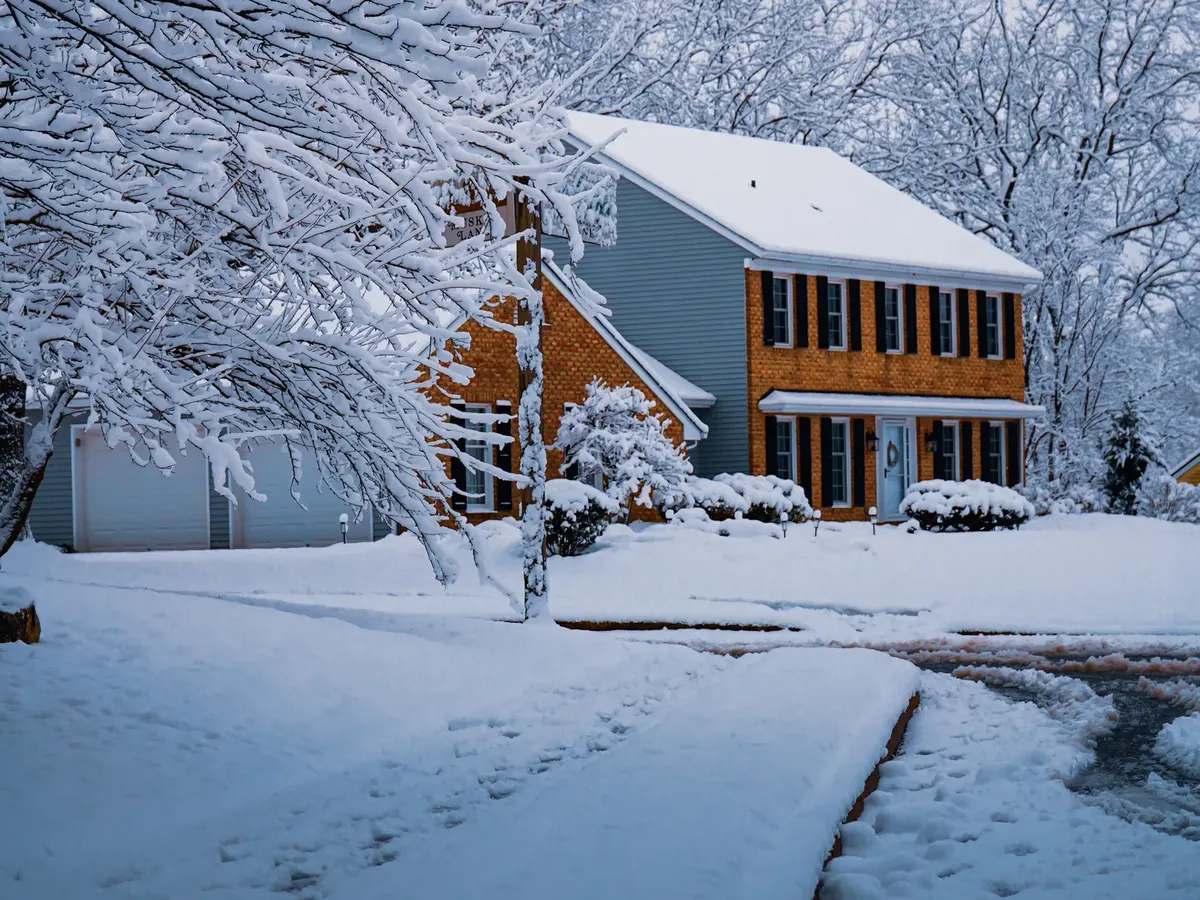
Most outages here are short: PSE&G says its customers are restored within 62 minutes on average (PSE&G). The storms are the problem. After Tropical Storm Isaias in 2020, full restoration took about seven days (NJ BPU). After Superstorm Sandy in 2012, it took fourteen (NJ BPU). That is when a working sump pump, a running furnace or boiler, and a cold refrigerator matter most.
Step by step
Eight steps, in the order a home generator job usually moves. Each one is explained further down the page.
The circuits that must run in an outage. The list sets the size, the transfer switch and whether a load manager is needed.
MDL looks at the panel, the electric meter, the gas meter and where the generator can sit.
The model, the size and every line item, including who runs the gas line and which permits your town needs.
Electrical and gas piping permits, and zoning approval first in towns such as West Orange and Morristown.
An application to PSE&G or New Jersey Natural Gas with the generator's specification sheet, or a propane tank where there is no gas.
The pad and generator, the automatic transfer switch at the electrical service, the wiring and the fuel connection.
The town inspects the electrical and gas work and issues a certificate of approval before the generator is used.
A simulated outage shows the house switching over and back, and you see how the scheduled self-test runs.
Generac says the installation itself usually takes hours, while preparing for it takes multiple weeks: site preparation, the gas line and the permit all set the timing (Generac). Starting in the fall gives the paperwork time to clear before the winter storms.
Sizing
Start with what has to keep running, not the square footage. Generac's guidance gives a starting point by home size (Generac, read November 15, 2026). A load calculation, or a load manager, settles the final size.
10 kW covers the essential circuits. 14 to 18 kW runs central air or a well pump.
Whole-home coverage for most houses in this range, by Generac's guidance.
Generac calls 22 kW the industry standard for whole-home protection in this range.
Generac or Kohler
Both build air-cooled standby generators for homes. Generac's air-cooled home range runs from 10 to 28 kW (Generac). MDL installs and services Generac and Kohler home standby generators and can quote your size in either brand. The written quote names the model and the size.
Gas or propane
A natural gas generator needs gas service sized for it, and the gas utility decides whether its meter and service line can carry the added load. These are the utilities' own rules, read November 15, 2026.
The transfer switch
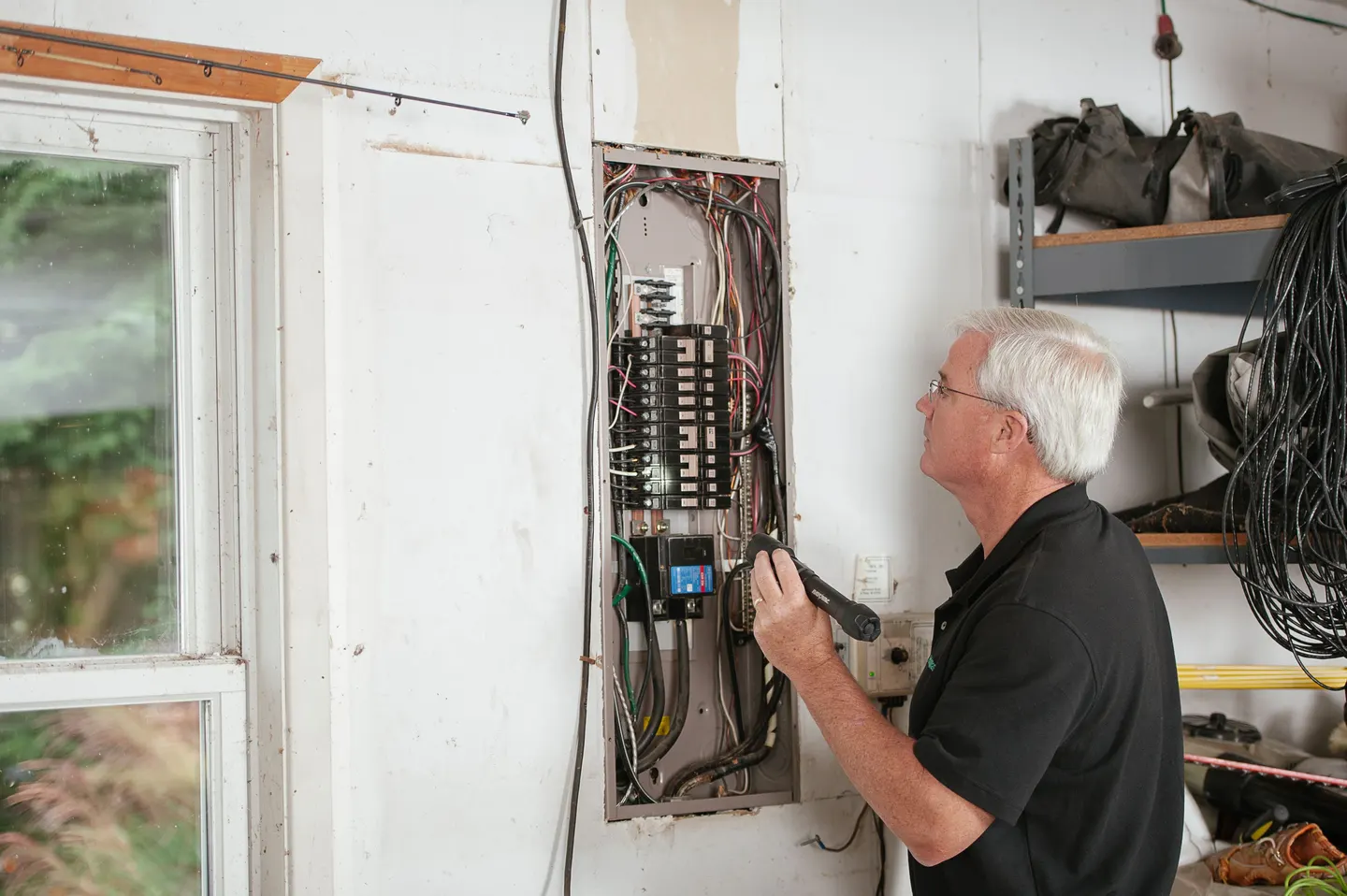
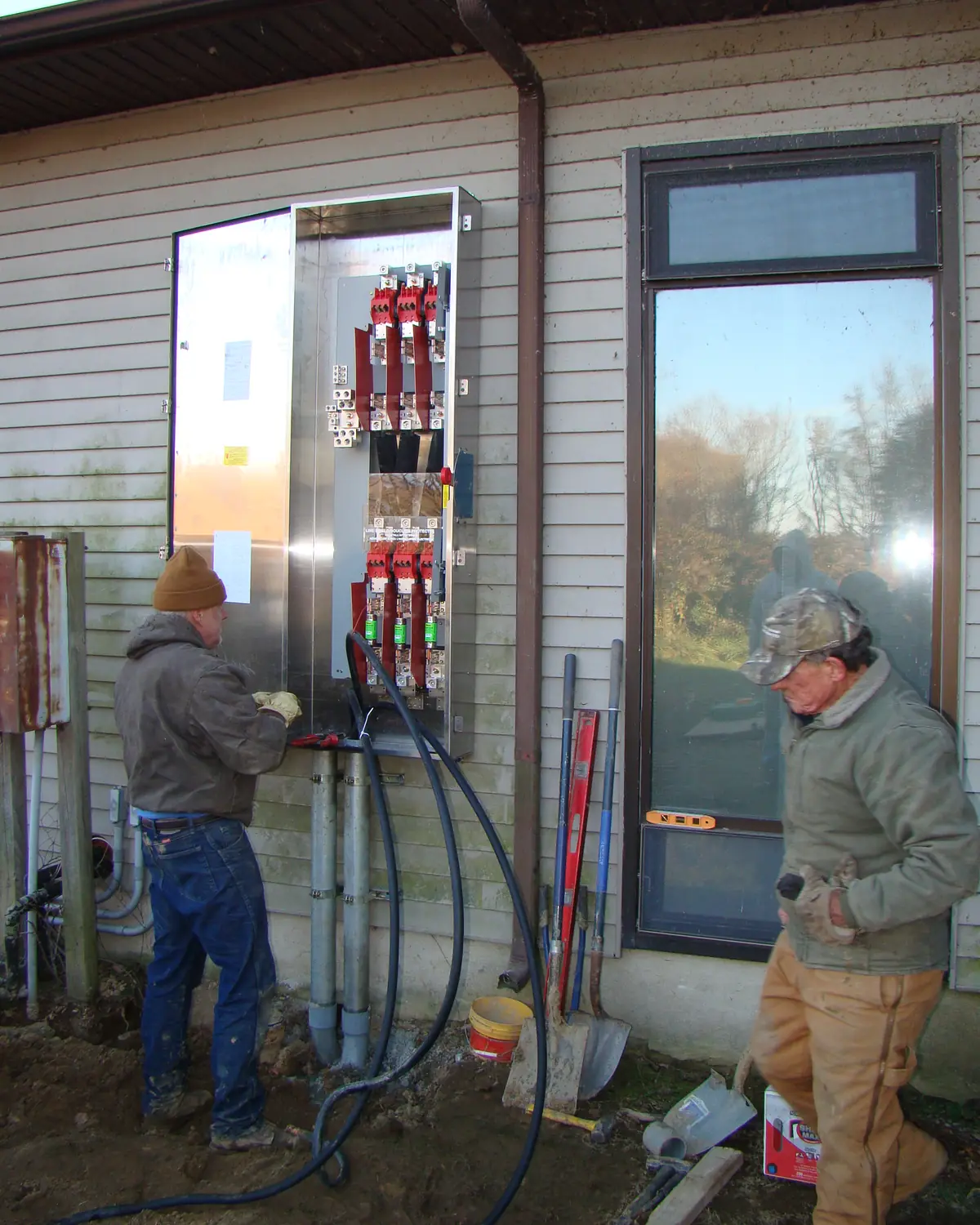
Generac says its dealers install the transfer switch next to the main breaker box, and that it starts the generator after the utility power is lost (Generac). The points below are the ones NFPA's article on inspecting generators at existing homes walks through.
Placement
Generac's dealers look for a stable, well-drained spot with room for maintenance. The closer it is to the gas line and the electric meter, the lower the installation cost (Generac).
Scroll sideways to see the whole table.
| Where | Minimum | What counts |
|---|---|---|
| Front and ends | 3 feet | Shrubs, bushes and trees included |
| Rear | 18 inches | Shrubs, bushes and trees included |
| Above the unit | 5 feet of vertical space | Structures, overhangs or projections from a wall |
| Removable fence panels | Not within 3 feet | A visual screen without footings |
| Windows, doors, vents and openings | As the locally adopted codes allow | The manual defers to your town's codes |
New Jersey rules
Read November 15, 2026 from the official texts: the Uniform Construction Code, N.J.A.C. 5:23-2 and 5:23-3 (both published through August 17, 2026), and the NJ Department of Community Affairs' Construction Code Communicator. Your town's construction office decides edge cases.
Scroll sideways to see the whole table.
| Topic | What the rule says | Source |
|---|---|---|
| Permit before work | It is unlawful to install or alter equipment the code regulates without first applying for and obtaining the required permit. | 5:23-2.14(a) |
| Who may do the work | Electrical, plumbing and HVACR work only by people licensed to perform it, except a single-family homeowner on his or her own dwelling. The application names the contractor and license number. | 5:23-2.15(b)2 |
| Who installs what | Electrical contractors are permitted to install generators. Licensed HVACR contractors, licensed master plumbers and electrical contractors may install the gas piping. | DCA, Spring 2022 |
| Which electrical code | The National Electrical Code 2023, with Tentative Interim Amendments 70-23-1 through 70-23-13. | 5:23-3.16(a)1 |
| Cut-in card | Cut-in cards are required for all generator installations and whenever the meter seal is cut. | DCA, Summer 2021 |
| Before it is used | Equipment the code controls may not be used until the construction official issues a certificate of approval. | 5:23-2.8(a) |
| Zoning | West Orange: prior zoning approval for standby power generators, with a property survey. Morristown: a standby generator zoning permit, presented with the construction permit application. | Town pages |
| Backfeed | By law, the customer is responsible for making sure a generator's electricity does not feed back into PSE&G's power lines. | PSE&G |
Other generator questions
Where MDL installs generators
MDL works from 4 Harrison Avenue in West Orange. These towns in the three counties have their own MDL service-area page. Each town has its own permit office, and the written quote names the steps for your address; include the exact address and ZIP code so coverage can be confirmed.
Generator quote
Call or send the form with your town, whether you have gas service and from which utility, and what must stay on: heat, sump pump, refrigerator, central air, or the whole house. The form opens with Generator / Backup Power chosen.
Generator questions
Rules come from New Jersey's construction code, the gas utilities, Generac's own documents and NFPA. Sizing figures are Generac's published guidance. MDL prices each job in writing after seeing the house.
Generac says the installation itself usually takes hours, while preparing for it takes multiple weeks, for site preparation, the gas line and the permit among other things. The town issues the electrical and gas piping permits, and some towns, such as West Orange and Morristown, require zoning approval first. A natural gas generator also needs the gas utility: PSE&G says gas generator projects can take up to six weeks, and New Jersey Natural Gas reviews a request within 15 business days, then allows about six weeks if the meter or service line needs an upgrade. The town inspects the work before the generator goes into service.
Size it to what has to keep running during an outage, not to square footage alone. Generac's guidance is 10 to 18 kW for most homes of about 1,550 square feet, 20 or 22 kW for whole-home coverage at about 2,000 square feet, and 22 kW for homes of 2,500 to 3,000 square feet. Central air decides most North Jersey sizing: Generac says a 3-ton air conditioner needs about 3.5 to 5 kW to run but up to 15 to 18 kW to start. Check the natural gas rating too; Generac's 22 kW model is rated 22 kW on propane and 21 kW on natural gas.
Yes. MDL installs and services Generac and Kohler home standby generators, along with the automatic transfer switch and the electrical work that connects the generator to the house. For a generator you already own that will not start or will not take over, MDL's generator repair and maintenance page covers what to send.
Yes. New Jersey's Uniform Construction Code makes it unlawful to install regulated equipment without first applying for and obtaining a permit (N.J.A.C. 5:23-2.14(a)), and the equipment may not be used until the construction official issues a certificate of approval (N.J.A.C. 5:23-2.8(a)). Expect an electrical permit for the generator and transfer switch and a permit for the gas piping. Some towns add zoning first: West Orange requires prior zoning approval for standby power generators, with a property survey, and Morristown's zoning office issues a standby generator zoning permit that goes with the construction permit application.
New Jersey's construction code lets a single-family homeowner do electrical work on his or her own dwelling; otherwise the work must be done by people licensed for it (N.J.A.C. 5:23-2.15). The permits, the inspections and the gas utility application still apply either way. PSE&G advises having a qualified electrician size and install a generator, and says that by law the owner is responsible for making sure it does not feed electricity back into PSE&G's lines.
Follow the generator's installation manual and the codes your town enforces. Generac's installation manual for its 10 to 28 kW air-cooled models requires at least 3 feet of clearance at the front and ends, 18 inches at the rear, and 5 feet of open space above the unit, counting shrubs, bushes and trees. Windows, doors, vents and other openings may not be closer than the locally adopted codes allow. Another model's manual can set different figures, so the model you choose decides the final spot.
If the house already has natural gas service, natural gas is usually the simpler choice: no tank and no fuel deliveries. It does need an application to the gas utility, a gas line sized for the generator at full load, and enough pressure at the generator; Generac's spec sheet lists 3.5 to 7 inches of water column for natural gas. Generac's 22 to 28 kW models also make less power on natural gas: the 22 kW unit is rated 21 kW. Propane makes sense where there is no gas service or the meter cannot be upgraded; in New Jersey the tank is installed by a licensed HVACR contractor, a licensed master plumber or a propane company registered with the state.
It might. A generator adds a large gas load: Generac's 22 kW model burns 311 cubic feet of natural gas an hour at full load. New Jersey Natural Gas checks whether its service line, meter and regulator can carry the generator along with the existing appliances, and says an upgrade can take about six weeks and may carry charges. PSE&G requires an application to add or increase gas service for a generator and asks for the equipment's specification sheet. NFPA notes that a meter left at its old size can leave the furnace and other gas appliances short of gas.
Yes, if the generator is sized for it or the system manages the starting surge. Generac says the starting wattage of anything with a motor is often two to three times its running figure. A larger generator covers that surge, or a load manager or soft-start kit lets a smaller generator start the air conditioner without overloading. MDL holds a New Jersey electrical contractor license and a master HVACR license, so the generator and the heating and cooling equipment it must carry are planned together.
NFPA's article on inspecting generators at existing homes lists the checks: the clearances in the installation instructions, the emergency shutdown outside the house, the transfer switch's ratings and its service equipment label, the emergency disconnect marking, a load calculation or automatic load management, and the conductor sizes and terminations. The inspector may also ask whether the gas meter is large enough. The installer then simulates an outage to show the system works. The article was written for the 2020 electrical code; New Jersey now enforces the 2023 edition.
Most outages here are short; PSE&G says it restores customers in 62 minutes on average. The big storms are the reason to buy one: after Tropical Storm Isaias in 2020 full restoration took about seven days, and after Sandy in 2012 it took 14. A standby generator is usually worth it if the house has a finished basement that depends on a sump pump, someone relies on powered medical equipment or works from home, the furnace or boiler needs electricity to run, or the house is often empty. If you can leave for a day or two when the power goes out, a portable generator with a proper hookup may be enough.
The total depends on the generator size, the distance to the gas meter and the electrical service, any gas meter or panel upgrade, the pad, and the permits. MDL gives a written price after seeing the house, the panel and where the generator can sit. MDL's New Jersey whole-house generator cost guide lists the makers' published prices by size and every line item of an installed job.
No. Feeding power back through a wall outlet or a homemade double-ended cord can energize the utility lines that line workers expect to be dead, and it can start a fire. A portable generator needs an interlock kit or a transfer switch with a proper inlet, installed under a permit. Run it outside, well away from doors, windows, and vents, because of carbon monoxide.
Sources
Rules, figures and town pages read November 15, 2026. Photo licences as recorded on each photo's own page.
Next steps
List prices by kW for Generac, Kohler, and others, every installed line item, permits, and running cost.
Learn moreInterlock kit or transfer switch, what each costs, and what a New Jersey inspector looks for.
Learn moreWhen an older or full panel needs work before a generator or transfer switch can go in.
Learn moreA Generac or Kohler generator that will not start, will not take over, or is due for service.
Learn moreRequest service
Use the form for planned service or call for urgent electrical, heating, or cooling help.
